The Glorious Potential of Bath Stone Homes
The city of Bath in the UK is renowned for its beautiful Georgian architecture, characterised by the use of a honey-coloured limestone known as Bath Stone. These beautiful stone homes are a key part of the city’s historic charm, with their warm, golden facades inviting a sense of grandeur and sophistication. With the right care and attention, these properties can be restored to their original glory, and a key element of this is maintaining and revitalising the exterior paint.
Revitalising the paintwork of Bath stone homes can dramatically improve their appearance, enhancing the natural beauty of the stone and preserving its unique character. Choosing the right paint, preparing the surface properly and employing professional techniques can all make a significant difference to the final outcome. Not only does this enhance the home’s aesthetic appeal, it also helps to protect the stone from weathering and decay, ensuring the longevity of your property.
Painting the exterior of a Bath stone home is not a task to be taken lightly. It requires a deep understanding of the stone’s characteristics, as well as the use of specific materials and techniques. A well-executed paint job can add significant value to your property, making it a worthwhile investment. So, whether you’re a homeowner looking to spruce up your home or a professional decorator seeking to broaden your skills, this guide offers practical advice on how to revitalise Bath stone homes through exterior painting.
Understanding Your Home’s Exterior: A Primer
Before embarking on the painting process, it’s crucial to understand the unique characteristics of your Bath stone home’s exterior. Bath stone is a warm, honey-coloured limestone that has been used in construction for centuries. It’s prized for its aesthetic appeal, but it also has some unique properties that need to be taken into account when painting. For instance, it’s a porous material that can absorb water, which can lead to issues like damp and decay if not properly managed.
Existing paintwork on Bath stone homes can often contain layers of lime wash or mineral paint. These traditional finishes allow the stone to breathe, preventing moisture from becoming trapped inside. However, they can also be prone to weathering over time, leading to a faded, patchy appearance. Understanding the existing finish on your home can help guide your choice of new paint, as well as dictate the necessary preparation steps.
Inspecting the condition of your home’s exterior is also an important part of the process. Look for signs of damage such as cracks, flaking paint or patches of moss and algae. These may need to be addressed before you start painting. A thorough understanding of your home’s exterior will enable you to make informed decisions throughout the painting process, leading to a more successful outcome.
Choosing the Perfect Paint for Bath Stone Facades
Choosing the right paint for your Bath stone home is a crucial step. The paint needs to be durable, permeable and compatible with the stone. Traditional limewash or mineral paint are both good options as they allow the stone to breathe, preventing moisture build-up. They also come in a range of colours that can enhance the warm, golden tones of the Bath stone.
When choosing a colour, consider the historical context of your home. Bath stone homes are often painted in soft, earthy colours that complement the natural colour of the stone. Some companies even produce paint colours specifically designed for Bath stone properties, making it easier to achieve an authentic look. A well-chosen colour can enhance the architectural features of your home, highlighting its unique character and charm.
It’s also worth considering the finish of the paint. A matt finish can give a more traditional look, while a slight sheen can add depth and richness to the colour. Regardless of the type of paint you choose, it’s always a good idea to apply a small test patch before painting the whole house. This will allow you to see how the colour looks in different lights and ensure it’s the perfect choice for your home.
Preparing Your Home: The Crucial Steps Before Painting
Before you start painting, it’s essential to prepare the surface of your home. This involves cleaning the stone to remove any dirt or algae and repairing any cracks or damage. It’s also important to protect nearby plants and windows from paint splashes. Taking the time to prepare thoroughly will ensure a smoother application process and a more professional finish.
Surface preparation should start with a gentle clean using a soft brush and soapy water. Avoid using harsh chemicals or high-pressure washers, as these can damage the stone. If your home has algae or moss, consider using a specialist cleaner to remove it. Once the stone is clean, allow it to dry fully before starting the painting process.
If your home has cracks or other damage, these will need to be repaired using a compatible filler. You may also need to remove loose or flaking paint before you start. This can be a time-consuming process, but it’s crucial for achieving a smooth, even finish. Once the repairs are complete and the surface is clean and dry, you’re ready to start painting.
Professional Techniques for Painting Bath Stone
The key to painting Bath stone successfully is to use a technique that enhances the natural beauty of the stone, while also providing adequate protection. This typically involves building up several thin layers of paint, allowing each one to dry fully before applying the next. This helps to create a more durable finish and reduces the risk of the paint peeling or flaking over time.
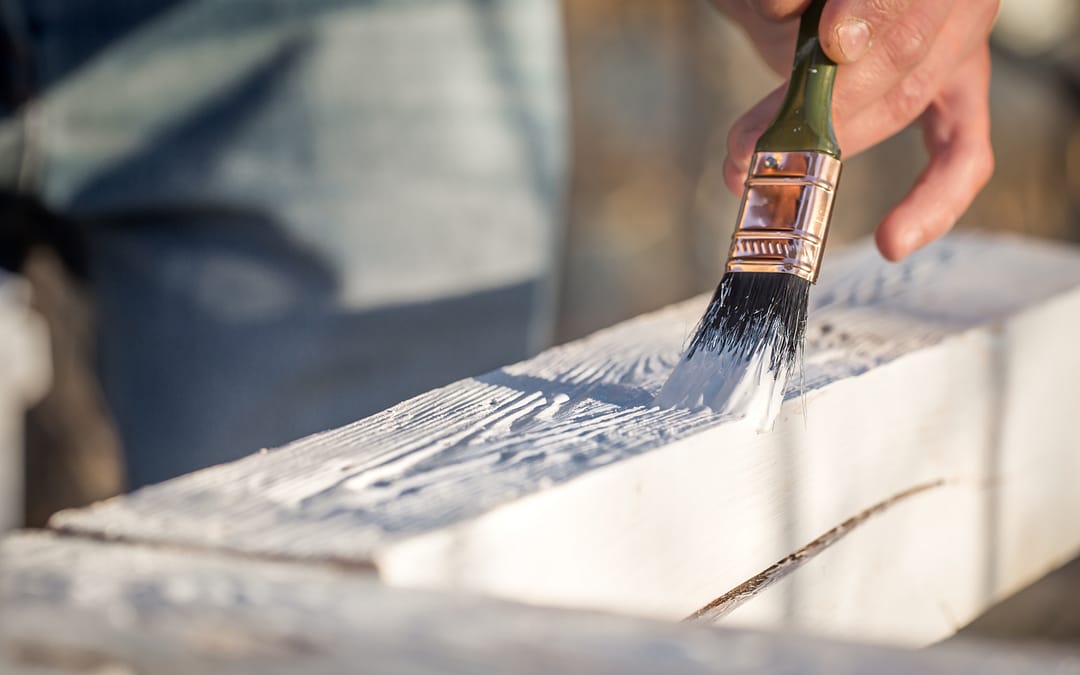
Start by applying a thin coat of primer to the stone. This will help the paint to adhere better and ensure a more even colour. Once the primer is dry, you can start applying the paint. Use a long-haired masonry brush for this, as it can get into the crevices of the stone and create a more textured finish.
Apply the paint in thin, even coats, using a criss-cross motion to fill in any gaps. Try to maintain a wet edge as you work, to avoid creating visible lines in the paint. Once the first coat is dry, you can apply additional coats as needed. It’s important to be patient and allow each coat to dry fully before moving on to the next. This will ensure a more professional finish and a longer-lasting result.
Period-Specific Colours: Enhancing Your Home’s History
One of the joys of owning a Bath stone home is the opportunity to celebrate its history. Choosing a period-specific colour for your paint can help enhance this sense of history, giving a nod to the architectural style and era of your home. For instance, Georgian properties often feature pale, muted colours, while Victorian homes may have been painted in richer, darker hues.
Historical paint charts can provide a great source of inspiration for period colours. Many paint manufacturers produce these charts, showing the types of colours that would have been used in different historical periods. This can be a great starting point when choosing a colour for your Bath stone home. However, it’s also important to choose a colour that you love and that suits your own personal style.
When choosing a colour, consider the impact on the overall streetscape. Bath is known for its harmonious rows of terraced houses, and choosing a colour that fits in with this can help preserve the city’s unique character. A well-chosen colour can not only enhance your home’s individual charm but also contribute to the overall look and feel of the city.
Maintaining the Freshly Painted Exterior: Tips and Tricks
Once your Bath stone home has been freshly painted, it’s important to maintain it to keep it looking its best. This includes regular cleaning to remove dirt and algae, as well as periodic touch-ups to keep the paint looking fresh. With the right care and attention, a well-painted Bath stone home can maintain its charm and beauty for many years to come.
Regular cleaning can help keep your painted stone looking its best. Use a soft brush and soapy water to gently clean the surface, avoiding the use of harsh chemicals or high-pressure washers, which can damage the paint. If you notice any algae or moss, consider using a specialist cleaner to remove it.
Over time, you may notice areas of the paint beginning to wear or fade. This is completely normal and can be easily addressed with a touch-up. Keep some leftover paint for this purpose, and when necessary, gently sand the affected area and apply a fresh coat of paint. This will help to prolong the life of the paintwork and keep your home looking its best.
Add Value and Charm with a Revitalised Bath Home Exterior
Revitalising the exterior of your Bath stone home with a fresh coat of paint is a fantastic way to add value and charm to your property. Not only does it enhance the aesthetic appeal of your home, it also helps to preserve the stone and protect it from weathering. A well-painted exterior can transform your home, making it a standout feature of the streetscape and a true reflection of Bath’s unique architectural character.
With the right paint, preparation and technique, you can achieve a professional finish that enhances the natural beauty of the Bath stone. Whether you’re restoring a historic property or simply looking to refresh your home’s exterior, painting your Bath stone home is a rewarding project that can bring a renewed sense of pride in your home.
In conclusion, the exterior of a Bath stone home can be revitalised through careful selection of paint, meticulous preparation and professional painting techniques. By understanding the unique characteristics of Bath stone and respecting its historical context, homeowners can ensure their property