Unfolding the Aesthetic Beauty of Paint Spraying
There is an indisputable charm when it comes to the art of paint spraying. This particular form of artistry, which involves the use of a device to spray a coating of paint or ink onto a surface, has been instrumental in shaping the vibrant and dynamic aesthetics of cities worldwide, including Bath, UK. The ability to create large-scale, intricate designs with vibrant colours and varying textures adds to the aesthetic allure of paint spraying. It provides a canvas for artists to express their creativity and transform ordinary surfaces into extraordinary works of art.
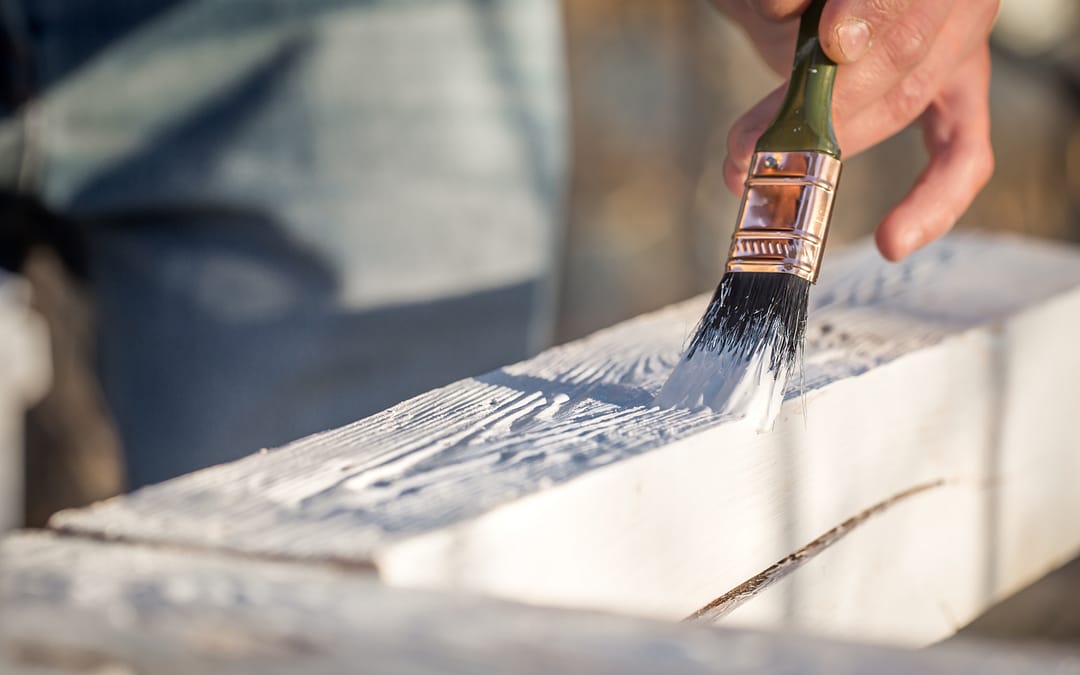
Paint spraying has the power to embellish the urban landscape, adding character and depth to otherwise mundane structures. It can breathe life into a dull brick wall or a discoloured underpass, imbuing them with a new identity and captivating visual appeal. The benefits of paint spraying extend beyond its visual beauty as it also allows for quicker application and a more even coating compared to traditional brush techniques.
Moreover, the flexible nature of paint spraying allows artists to take advantage of the natural textures and contours of the surfaces they work on. This not only enhances the visual depth of their artwork but also contributes to a unique, hands-on interaction with the city’s architecture. Thus, the aesthetic beauty of paint spraying unfolds in its ability to marry art and architecture, infusing cities like Bath with a distinct personality.
Intricate Artistry: The Process behind Paint Spraying
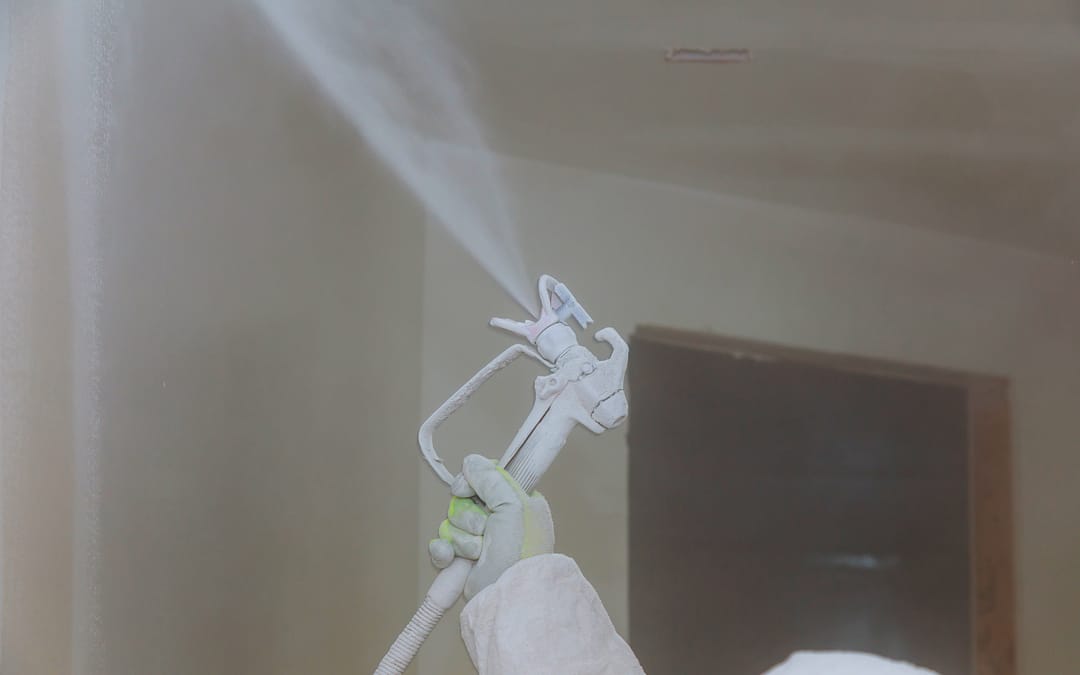
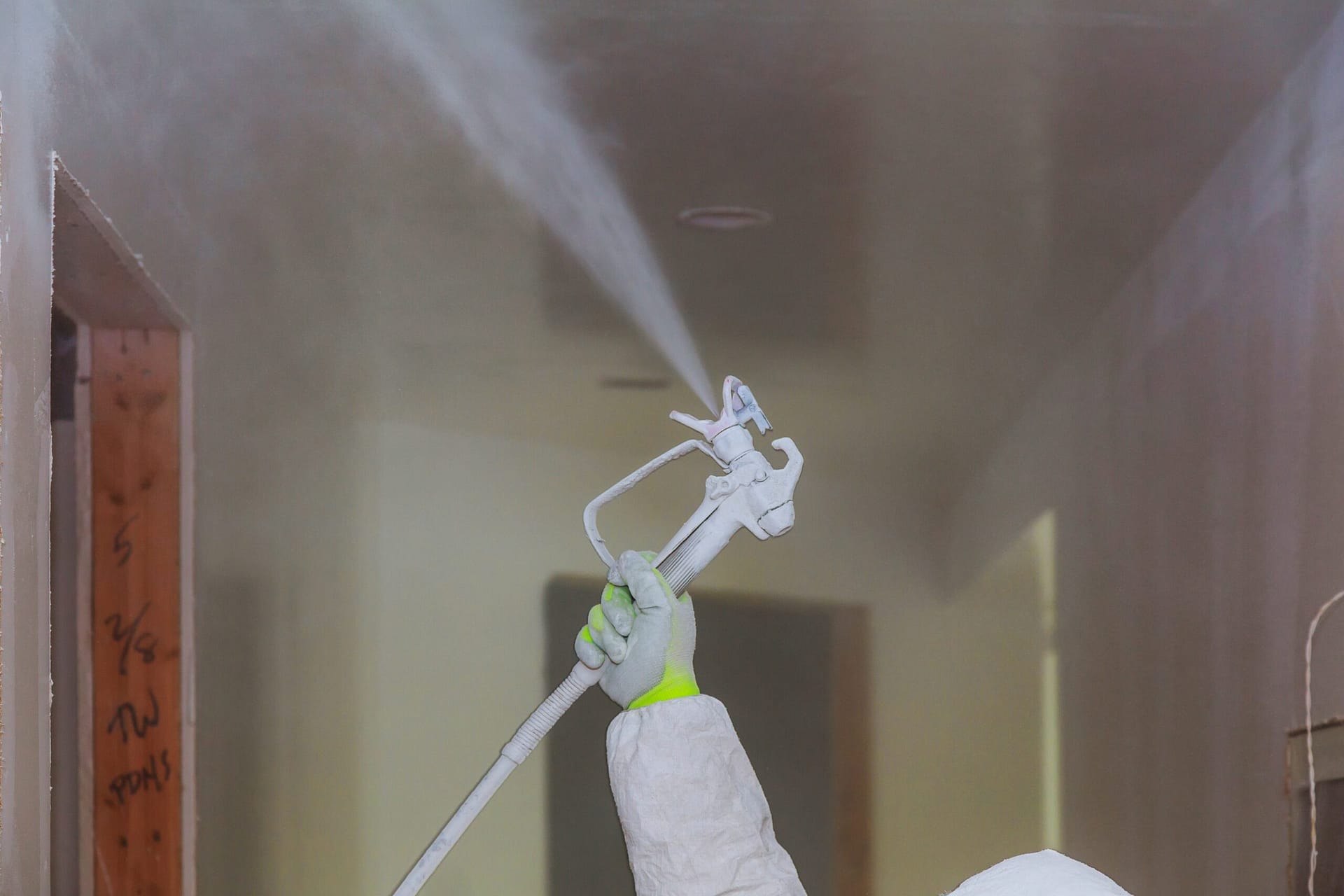
Behind the vibrant visuals of paint spraying lies a world of intricate artistry. The process begins with conceptualisation, where artists draft out their visions onto paper. Attention to detail is paramount during this stage, as the most effective designs often bank on precision. Sketches are then enlarged to fit the scale of the wall or surface to be painted. The next step involves the actual spraying of paint, a task that requires a deft hand, a keen eye, and an in-depth understanding of how to manipulate the spray gun.
Artists must carefully control the spray gun’s angle, distance from the wall, and the amount of paint released to ensure that the final output matches the initial concept. This makes paint spraying a highly skillful and complex art form, where artists need to manage multiple variables simultaneously. Additionally, they must be mindful of the environmental factors, like wind and humidity, which can influence the application and drying of the paint.
One of the distinct benefits of paint spraying is its adaptability. It enables artists to effortlessly transition between thick, bold lines and delicate, intricate patterns. This technique also lends itself well to layering, allowing for the creation of rich, multi-dimensional artwork. Furthermore, with the right skills, paint spraying can also be used to mimic different textures, opening up a world of creative possibilities.
Bath’s Unique Influence on Paint Spraying Techniques
The city of Bath, with its rich cultural history and architectural grandeur, has significantly influenced the local paint spraying scene. The city’s historic streets and buildings serve as a unique canvas for artists, inspiring them to create artwork that resonates with Bath’s cultural heritage. In this context, paint spraying is not just an artistic expression, but also a dialogue with the city’s past.
Artists in Bath have adapted conventional paint spraying techniques to reflect the city’s character. The use of muted, earthy tones to match the Bath stone, a honey-coloured stone used in many local buildings, is a popular technique. This serves to create artwork that harmonises with the city’s architectural aesthetics rather than contradicting it.
This distinctive approach to paint spraying enriches Bath’s visual landscape, connecting contemporary art with historical architecture. It demonstrates the versatility of paint spraying as an art form, capable of evolving and adapting to the cultural and aesthetic context in which it is practised.
Appreciating the Complexity of Paint Spraying in Bath
Appreciating the complexity of paint spraying in Bath requires an understanding of the various factors that influence this art form. The city’s historic architecture, its cultural heritage, as well as local and international influences, all contribute to the dynamics of paint spraying in Bath.
The complexity is further amplified by the city’s regulations regarding public art. Artists must navigate these guidelines while also pushing the boundaries of their creativity. This challenge, however, has led to the development of innovative techniques that align with these regulations without compromising artistic expression.
Moreover, the city’s weather conditions also add to the complexity of paint spraying. The relatively high humidity in Bath can influence paint application and drying times, requiring artists to adjust their technique accordingly. Despite these challenges, the city’s artists continuously create remarkable artwork, a testament to their dedication and skill, and a visual treat for the residents and visitors of Bath.
Distinguishing Features of Bath’s Spray Paint Art
Bath’s spray paint art is characterised by a unique blend of traditional and contemporary elements. The art often reflects the city’s rich history and architectural splendour while also incorporating modern themes and styles. This seamless fusion creates artwork that is distinctively ‘Bath’.
Most notable is the use of earthy tones, inspired by the city’s iconic Bath stone. Artists often incorporate these hues into their designs, creating a visual continuity between the artwork and the city’s architectural canvas. The result is a dynamic interplay of art and architecture that enhances the city’s unique visual identity.
The artwork in Bath also tends to have a narrative quality, telling stories of the city’s past and present. Whether it’s a tribute to a historical figure or a commentary on a contemporary issue, Bath’s spray paint art often engages viewers on a deeper level, adding another layer to the city’s rich cultural tapestry.
Exploring the Evolution of Paint Spraying in Bath
The art of paint spraying in Bath has evolved significantly over the years. Initially viewed as a form of vandalism, it has now gained recognition as a legitimate art form, contributing to the city’s cultural landscape.
This shift in perception has been facilitated, in part, by the local council’s supportive policies towards public art. The annual Bath Festival, for example, includes a graffiti art segment, providing a platform for local spray paint artists to showcase their talent. These initiatives have encouraged a proliferation of paint spraying in Bath, leading to a vibrant and diverse art scene.
Furthermore, the evolution of paint spraying in Bath has been influenced by international trends and artists. Painters from around the world have contributed to Bath’s art scene, introducing new styles and techniques. As a result, the city’s spray paint art is continually evolving, reflecting a fusion of local and global influences.
Decoding the Techniques of Expert Paint Sprayers
The techniques employed by expert paint sprayers can be extremely varied, reflecting their individual styles and influences. However, there are a few common strategies that many artists adopt. For instance, they often start with a base layer, usually in a neutral colour, which helps to enhance subsequent layers of paint. Working from the background towards the foreground, they gradually build up the details of the piece, ensuring a rich and layered finish.
Artists also manipulate the spray paint can, altering the angle, distance, and pressure to achieve different effects. For example, holding the can closer to the wall and applying more pressure will result in a narrower, more defined line, while holding the can further away creates a wider, softer effect. This technique allows for a high degree of precision and detail within the artwork.
Moreover, expert painters often use stencils and masks to create sharp lines and intricate patterns. These tools can add depth and complexity to the artwork, enabling the artist to achieve precision that would be otherwise difficult with freehand techniques. These practices demonstrate the skill and craftsmanship involved in paint spraying, elevating it to a highly respected art form.
Captivating Art of Paint Spraying: A Bath Perspective
From the city’s historic streets to its modern buildings, Bath offers a captivating palette for the art of paint spraying. The city’s unique blend of history, culture, and architecture provides endless inspiration for artists, contributing to a vibrant and dynamic paint-spraying scene.
In Bath, paint spraying is more than just a means of artistic expression. It’s a dialogue with the city’s heritage, a tribute to its architectural beauty, and a colourful manifestation of its contemporary culture. This integration of art into the city’s fabric is what makes the paint spraying scene in Bath so unique and captivating.
The city’s support for public art, combined with the creativity and skill of its artists, has led to a diverse range of styles and techniques on display. From large-scale murals to smaller, more intricate designs, the art of paint spraying in Bath is a visual feast that continually evolves, reflecting the city’s dynamic cultural landscape.