Understanding the Basics of Wallpapering
Wallpapering is a craft that requires precision, knowledge, and a keen eye for detail. It is far more than just sticking a patterned sheet onto a wall; it involves carefully choosing the right material, accurate measurements, achieving a smooth application, and maintaining the final product. Mastering the art of wallpapering in Bath can transform your living spaces into a visually appealing and inviting environment.
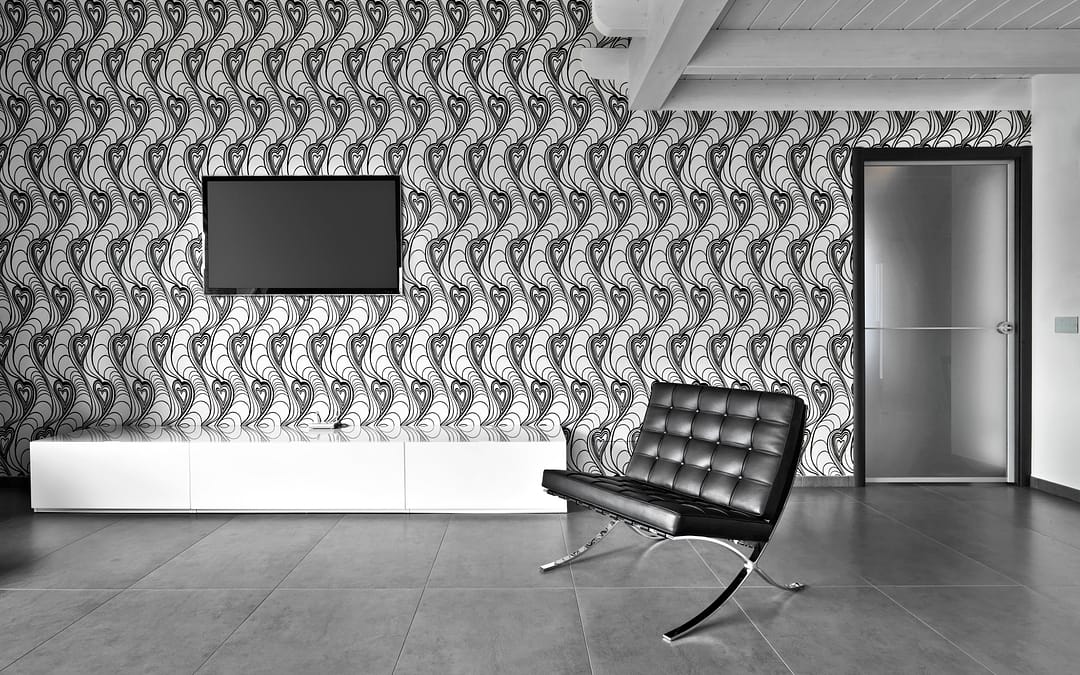
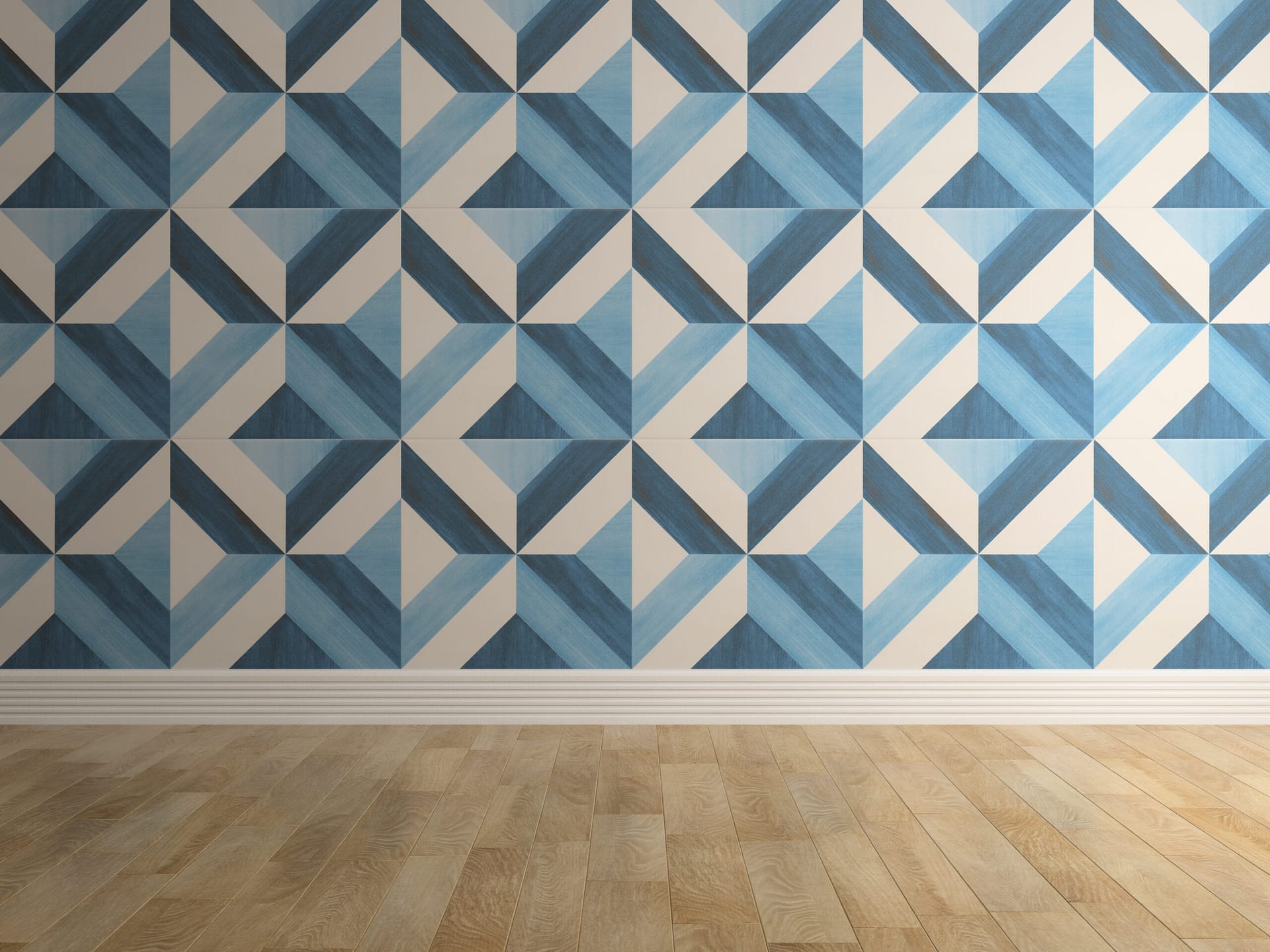
Wallpapers offer an aesthetic edge over plain painted walls. They come in a variety of designs, textures, and colours, and can easily be matched to your interior décor to create a cohesive look. Furthermore, wallpapers can hide imperfections on your walls, giving them a smoother and more attractive appearance.
For the mastery of wallpapering, it is imperative to understand the different types of wallpapers available. These range from vinyl, which is durable and easy to clean, to the elegant flock, perfect for creating a vintage look, or the versatile printed paper. Each type has its own unique characteristics and requires specific techniques for installation and maintenance.
Crucial Wallpaper Selection Tips in Bath
When selecting wallpaper in a city like Bath, it’s crucial to consider the style and architecture of your property. Bath is known for its Georgian architecture, and selecting a wallpaper that complements this style can enhance the aesthetic value of your home. You should also consider room usage; for example, vinyl wallpapers are a great choice for kitchens and bathrooms due to their water-resistance.
It’s also important to consider the size and shape of the room. Lighter colours and small patterns can make a small room seem larger, while dark colours and large patterns can create a cosy atmosphere in a larger room. Striped wallpapers can change the perceived room height; vertical stripes make a room look taller, while horizontal stripes make it appear wider.
Lastly, pay attention to the wallpaper’s texture. Textured wallpapers can add depth and interest to a plain room, while smooth wallpapers can create a sleek, modern look. Consider the time of day the room is most used, as different textures can dramatically affect how the light interacts with the wallpaper at different times.
Essential Tools and Materials for Wallpapering
With the right tools and materials, wallpapering becomes a manageable task. These include wallpaper, adhesive, a pasting table, a plumb line for ensuring straight application, a paper-hanging brush, a seam roller, a trimming knife, and a sponge. Quality tools can significantly improve the ease of installation and the final result, so it’s worth investing in good-quality equipment.
Wallpaper adhesive is a crucial element of wallpapering. There are different types of adhesives, and the choice depends on the type of wallpaper and the wall surface. Some wallpapers come pre-pasted, simplifying the process. Always follow the manufacturer’s instructions when mixing and applying adhesive.
A wallpaper steamer can be a worthy investment for removing old wallpaper. This tool uses steam to soften the old adhesive, making the removal process easier and less damaging to the walls. While not essential for the wallpapering process, it can save time and effort when redecorating.
Preparation Steps Before Wallpapering
Proper preparation is key to achieving a flawless wallpaper finish. First, remove any old wallpaper and clean the walls. Any holes or cracks should be filled and smoothed over with a suitable filler. Once dry, sand the area for a smooth finish. These steps will ensure a clean, flat surface for your wallpaper to adhere to.
Next, apply a coat of primer to the wall. This step is especially important when hanging wallpaper on a newly plastered wall or over a darker paint colour. The primer creates a uniform surface, allowing the wallpaper to adhere properly and improving its longevity.
Lastly, measure your wall accurately and cut your wallpaper accordingly. It’s always better to overestimate the amount needed to account for pattern repeats and any mistakes. Remember to check each roll for batch numbers and ensure they match for colour consistency.
Techniques for Applying Wallpaper Seamlessly
The first strip of wallpaper should be hung next to a plumb line to ensure it’s straight. Apply the adhesive to the wallpaper or the wall (depending on the type of wallpaper), then carefully smooth the wallpaper onto the wall using a paper-hanging brush. Work from the top down and from the middle out to avoid air bubbles.
Seams between strips should be carefully matched to ensure a seamless pattern. Use a seam roller to gently press the seams together. Avoid over-rolling as it can force out the adhesive and damage the wallpaper.
Excess wallpaper at the top and bottom should be trimmed using a sharp trimming knife. Ensure the knife is sharp to avoid tearing the wallpaper. Lastly, wipe off any excess adhesive using a damp sponge without soaking the wallpaper.
Addressing Common Wallpapering Challenges
Despite meticulous preparation and careful application, you may still encounter a few challenges when wallpapering. Bubbles under the wallpaper are a common issue that can be resolved by puncturing the bubble with a pin and smoothing out the wallpaper. Should the wallpaper not adhere properly, it may be due to insufficient adhesive or a dirty wall surface. You can gently peel off the wallpaper, apply more adhesive, and reattach it.
Seam separation can occur if the wallpaper dries out too quickly. To fix this, apply a small amount of adhesive under the seam, press it down, and clean off any excess. Misaligned patterns are often due to inaccurate cutting or hanging; you may need to reposition or replace the affected strip.
Finally, fading wallpaper can be an issue, especially in rooms exposed to a lot of sunlight. Using UV-resistant wallpapers or window treatments can help prevent this. Remember, regular maintenance can help address these challenges early and keep your wallpaper looking fresh for longer.
Maintaining Your Wallpaper for Longevity
Proper maintenance can extend the life of your wallpaper. Regularly dust your wallpaper using a soft brush attachment on your vacuum cleaner. For washable wallpapers, you can use a damp cloth or sponge to lightly clean the surface. Avoid using harsh cleaning chemicals, which can damage the wallpaper.
Deal with any stains as soon as possible to prevent them from setting. Always test any cleaning products on an inconspicuous area first to ensure they won’t damage the wallpaper. For non-washable wallpapers, a professional cleaning may be required.
Keep your room well ventilated to prevent mould and mildew, especially in high-humidity areas like kitchens and bathrooms. Consider using a dehumidifier if necessary. By keeping your wallpaper clean and dry, you can maintain its vibrancy and longevity.
Exploring Bath’s Top Wallpaper Suppliers
Bath is home to many excellent wallpaper suppliers offering a vast array of styles and designs. Graham & Brown is a renowned wallpaper brand with an extensive collection to suit any style. They are known for their quality wallpapers and offer helpful advice for installation and maintenance.
Farrow & Ball, another popular supplier, is known for their uniquely crafted wallpapers inspired by historic patterns. They use traditional block and trough printing methods to give their wallpapers a rich, tactile texture. They also offer a range of eco-friendly and durable wallpapers.
Lastly, Laura Ashley is a well-established brand offering a wide range of wallpapers from classic to contemporary designs. Their products are known for their excellent quality and durability. They also offer a wallpaper calculator tool on their website to help you estimate the amount of wallpaper needed for your project.