Exploring the Fundamentals of Wallpapering
Mastering the art of wallpapering begins with understanding its fundamentals. Wallpapering is not merely about beautifying a space; it’s a craft that requires precision, patience, and an eye for detail. In Wiltshire, where historical and contemporary homes blend seamlessly, wallpaper serves as a vital element in interior design, capable of transforming dull walls into spectacular displays of artistry and character. The key is to appreciate the wallpaper’s role not just as a decor element but as an integral part of the room’s overall aesthetic and atmosphere.
The process of wallpapering involves several critical steps, each contributing to the final appearance and longevity of the wall covering. From preparing the wall surface to aligning patterns and smoothing out air bubbles, each phase needs careful attention. Recognising the importance of these steps ensures that the wallpaper will not only look stunning but will also adhere properly and endure over time. This understanding is essential for anyone looking to achieve professional-quality results in their wallpapering projects.
Additionally, the fundamentals of wallpapering are also about knowing the different types of wallpaper materials available — from vinyl and fabric to paper and non-woven options. Each material offers distinct features and benefits, suitable for different environments and preferences. For instance, vinyl wallpapers are celebrated for their durability and ease of cleaning, making them ideal for kitchens and bathrooms, while traditional paper wallpapers offer a rich texture and elegance that enhance living rooms and bedrooms.
Selecting the Right Wallpaper for Your Home
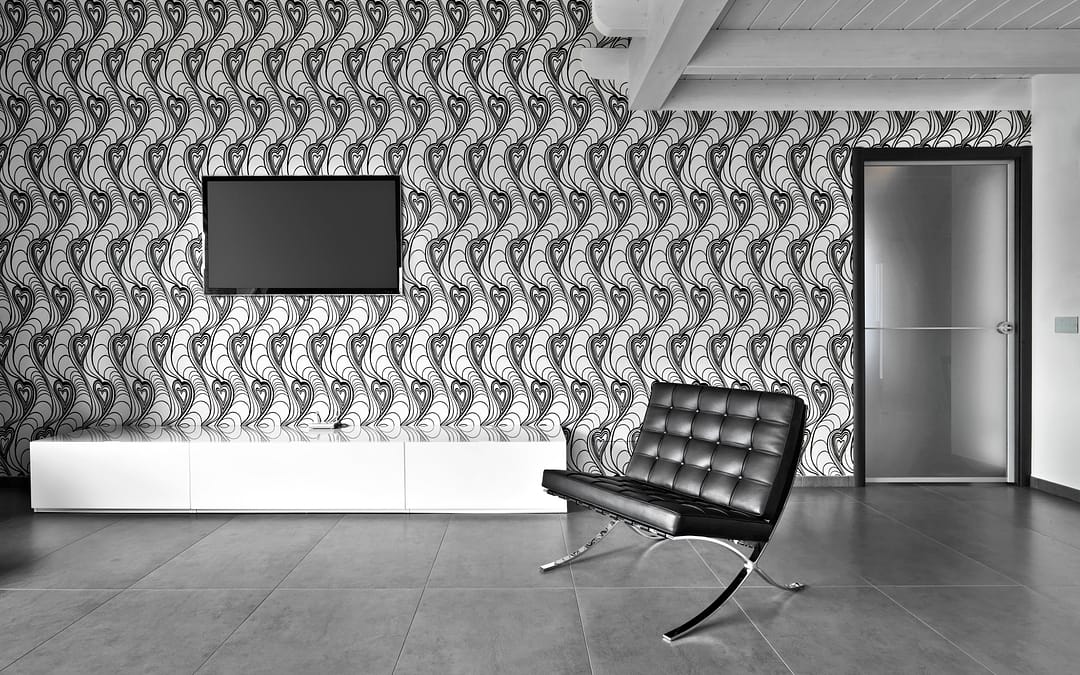
Choosing the right wallpaper for your home in Wiltshire can be a delightful yet daunting task, given the multitude of patterns, textures, and materials available. The decision should reflect not only personal taste but also practical considerations. For example, a wallpaper with a washable surface might be preferable in high-traffic areas or rooms exposed to moisture. Reflecting on the room’s function and the mood one wishes to create is crucial; soft, subtle patterns may enhance a relaxing atmosphere in bedrooms, while bolder, vivid designs can inject energy into living spaces.
It’s also important to consider the room’s existing decor and colour scheme. A wallpaper that complements the furniture, flooring, and other design elements creates a cohesive and harmonious look. In heritage homes typical of some areas in Wiltshire, selecting a wallpaper that reflects or tastefully contrasts with the historical architecture can add depth and character to the space.
Furthermore, the lighting of the room plays an integral role in wallpaper selection. Wallpapers in lighter colours can brighten a room that lacks natural light, whereas darker or textured wallpapers can add warmth and intimacy to overly bright or large rooms.
Essential Tools for Effective Wallpapering
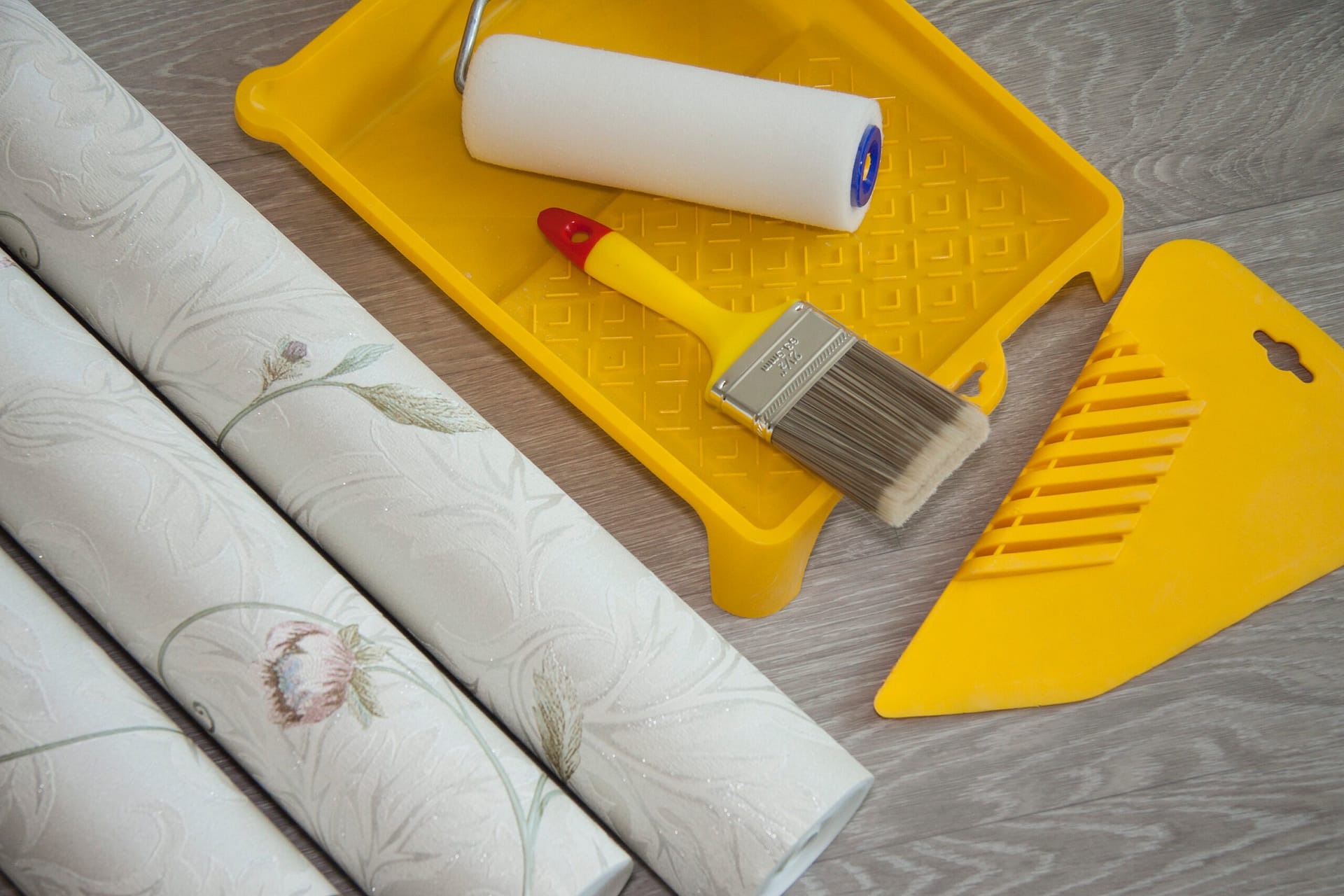
Having the right tools is paramount for effective wallpapering. Key tools include a sturdy ladder, a plumb line or laser level for ensuring vertical alignment, sharp scissors and utility knives for cutting, a pasting table, a seam roller, and a smoothing brush or plastic. Each tool plays a pivotal role in the application process, helping to achieve a neat and professional finish.
A good quality paste brush and a paste specifically suited to the type of wallpaper are also critical. Some wallpapers require specific types of adhesives, and using the wrong one can lead to poor adhesion and future peeling. Additionally, a wallpaper scorer can be particularly useful for removing old wallpaper, facilitating a clean and efficient removal without damaging the underlying wall surface.
Investing in these tools not only simplifies the wallpapering process but also enhances the overall outcome. High-quality tools can provide more precision and ease of use, which is particularly beneficial for beginners or those tackling larger or more complex wallpapering projects in their Wiltshire homes.
Preparing Your Walls for a Smooth Application
Preparation is key to successful wallpapering. Starting with a smooth, clean, and drywall surface is essential. Any holes or blemishes should be filled and sanded smooth, and old wallpaper fully removed. This provides a uniform surface for the wallpaper to adhere to, preventing imperfections from showing through and ensuring the longevity of the wall covering.
In Wiltshire, where dampness can be an issue in older homes, checking walls for signs of moisture and treating any issues before applying wallpaper is crucial. Applying a primer or a sizing solution can further enhance the adhesive qualities of the wall, providing a better foundation for the wallpaper. This step is especially important in ensuring that the wallpaper adheres evenly and strongly.
Moreover, cleaning the walls to remove any dust, dirt, or grease is a critical step that should not be overlooked. A clean surface allows the wallpaper paste to adhere properly, reducing the risk of peeling or bubbling after application. This attention to detail in the preparation phase can significantly influence the final appearance and durability of the wallpaper.
Step-by-Step Guide to Applying Wallpaper
The actual application of wallpaper can be approached methodically to ensure the best results. Start by measuring the wall and cutting the wallpaper to size, allowing extra for pattern matching and trimming. Mix the wallpaper paste following the manufacturer’s instructions, then apply an even coat to the wallpaper or directly to the wall, depending on the type of wallpaper being used.
Begin at the corner of the room or behind a door and use the plumb line or laser level to hang the first piece straight. Smooth the wallpaper onto the wall from the centre outwards, using a brush or smoother to expel air bubbles and excess paste. Ensure the edges are well adhered, and wipe away any excess paste with a damp sponge as you go. This prevents it from drying on the surface and becoming visible.
Align subsequent strips carefully, paying close attention to the pattern match. Overlapping slightly at the seams can help prevent gaps as the paper dries and contracts. Using a seam roller, gently press down the edges to ensure they are flat and secure. This meticulous approach helps achieve a seamless look, enhancing the overall beauty and finish of the wallpapered room.
Addressing Common Wallpapering Challenges
Even with careful planning and execution, wallpapering can present challenges. Common issues include air bubbles, misaligned patterns, and peeling edges. Air bubbles can generally be avoided by using the correct amount of paste and smoothing the wallpaper thoroughly during application. However, if bubbles persist, they can often be gently smoothed out or pricked with a fine pin before smoothing.
Misalignment can be particularly frustrating in patterned wallpapers. To avoid this, always check the alignment every few strips and adjust as necessary. It’s easier to correct a minor misalignment early than to reposition an entire wall of wallpaper. Additionally, using a plumb line for the first strip and keeping a steady hand and eye for subsequent strips can prevent this issue.
Peeling edges are typically a sign of inadequate paste application or poor wall preparation. To address peeling, carefully lift the affected area, reapply the paste, and smooth it back into place. Ensuring the wall is primed adequately before starting and using a quality adhesive can significantly mitigate peeling issues.
Finishing Touches: Trimming and Detailing
The final steps in wallpapering involve trimming and detailing, which are crucial for achieving a polished look. Use a sharp blade to trim excess wallpaper at the ceilings, baseboards, and around windows or doors. This should be done carefully to ensure clean, straight lines that align with the contours of the room. It’s advisable to change blades often to maintain a sharp cut, which prevents tearing the paper.
Detailing involves addressing smaller, often overlooked areas, such as behind radiators or around intricate woodwork. For these tighter spaces, special tools like narrow smoother and contour cutters can be invaluable. Taking the time to address these details can significantly enhance the overall appearance and professional finish of the wallpapering job.
Moreover, once the wallpaper is applied, it’s essential to allow it to dry thoroughly before placing furniture close to the walls or hanging items. This prevents any marks or indentations on the fresh wallpaper and ensures that all the hard work results in a stunning and durable finish.
Maintaining and Caring for Your Wallpaper
Maintaining your wallpaper is crucial to ensure it remains as impressive as the day it was applied. Regular dusting with a soft cloth or vacuuming with a brush attachment helps keep the wallpaper clean and free from dust and cobwebs. For washable wallpapers, occasional wiping with a damp cloth can help manage more stubborn marks or stains.
In the event of accidental damage, such as tears or scuffs, many wallpapers allow for patching. This involves replacing a small section of the wallpaper with a new piece that matches the pattern. Having spare rolls from the same batch used originally can make this process seamless and maintain the aesthetic integrity of the wall covering.
Finally, understanding the specific care requirements of the type of wallpaper installed in your Wiltshire home can extend its life and appearance. Whether it’s avoiding direct sunlight to prevent fading, or knowing when and how to clean different types of finishes, proper care will keep your walls looking elegant and refined for years to come.