Introduction to Interior Painting in Wiltshire
Wiltshire, a county known for its picturesque landscapes and rich historical heritage, also boasts a vibrant community keen on maintaining beautiful interiors. Interior painting not only revitalises a space but also reflects the personality and style of its inhabitants. Undertaking a painting project in this region requires a thoughtful approach to blend with the aesthetic and architectural context of the area.
Choosing to repaint your interiors in Wiltshire can significantly enhance the ambiance of your home, increase property value, and protect indoor surfaces. The process of selecting the right colours and finishes can transform mundane spaces into stunning visuals. This guide will provide comprehensive insights into achieving professional-quality results in your painting projects.
The success of interior painting hinges on a combination of high-quality materials, effective techniques, and an understanding of the local climate conditions in Wiltshire. Dampness, a common issue in this region, necessitates the selection of moisture-resistant paints, emphasising the importance of tailored solutions in achieving lasting results.
Choosing the Right Paints and Colours
Selecting the perfect paint and colour scheme is crucial in defining the character of a room. In Wiltshire, where varying styles from rustic to modern are prevalent, it’s essential to choose colours that complement the natural surroundings and architectural styles. Light pastels and earth tones often work well to enhance the natural light while providing a calming effect.
When it comes to paint types, consider the room’s functionality. Kitchens and bathrooms benefit from using durable, washable paints that can handle moisture, such as semi-gloss or gloss finishes. Living areas and bedrooms are typically suited to matte or eggshell finishes that hide imperfections and offer a soft, inviting texture.
The benefits of choosing the right paint include not only aesthetic enhancement but also practical advantages like longevity and ease of maintenance. High-quality paints, though more costly upfront, reduce the frequency of repainting and provide better coverage with fewer coats.
Preparation Steps for Flawless Finish
Preparation is arguably the most critical phase of any painting project. In Wiltshire, where older properties might present more challenges, such as cracked walls or peeling paint, thorough preparation ensures that the new paint adheres properly and looks its best. Start by cleaning the walls, scraping off old paint, and smoothing out surfaces with sandpaper.
Addressing damp issues is also paramount, particularly in older Wiltshire homes. Applying a damp seal or using a dehumidifier before painting can prevent future peeling or bubbling. Additionally, taping off edges and protecting furniture and floors with drop cloths will lead to cleaner, more professional results.
The benefits of meticulous preparation include a smoother finish, reduced paint consumption, and increased durability of the paint job. Investing time in preparation can significantly enhance the visual outcome and functionality of the painted surfaces.
Techniques for Painting Walls and Ceilings
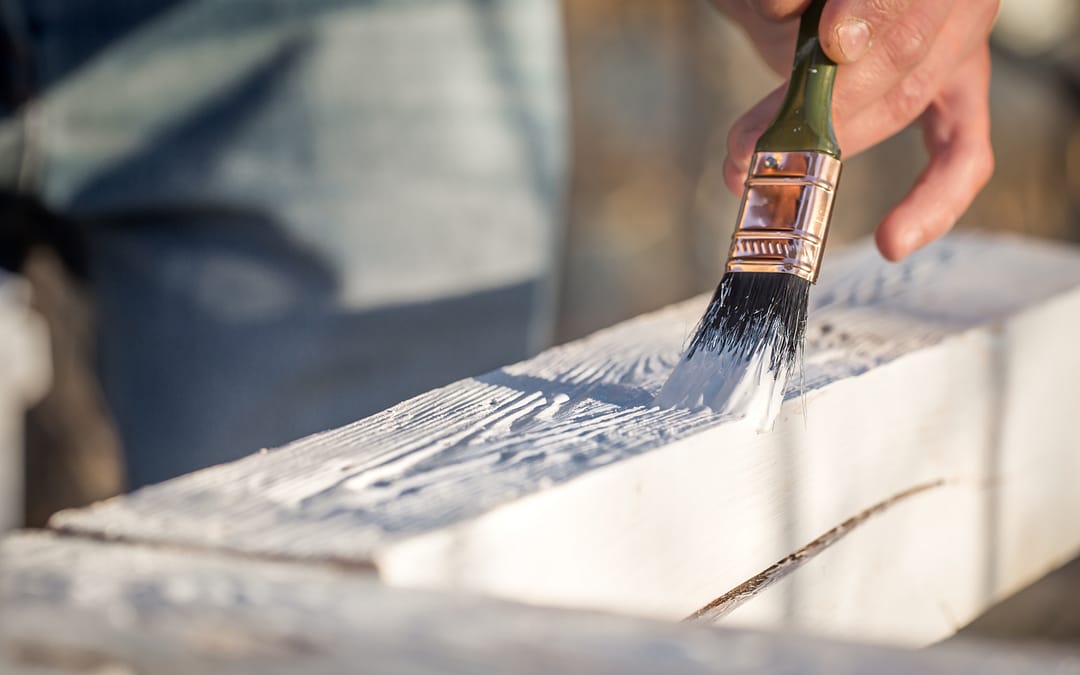
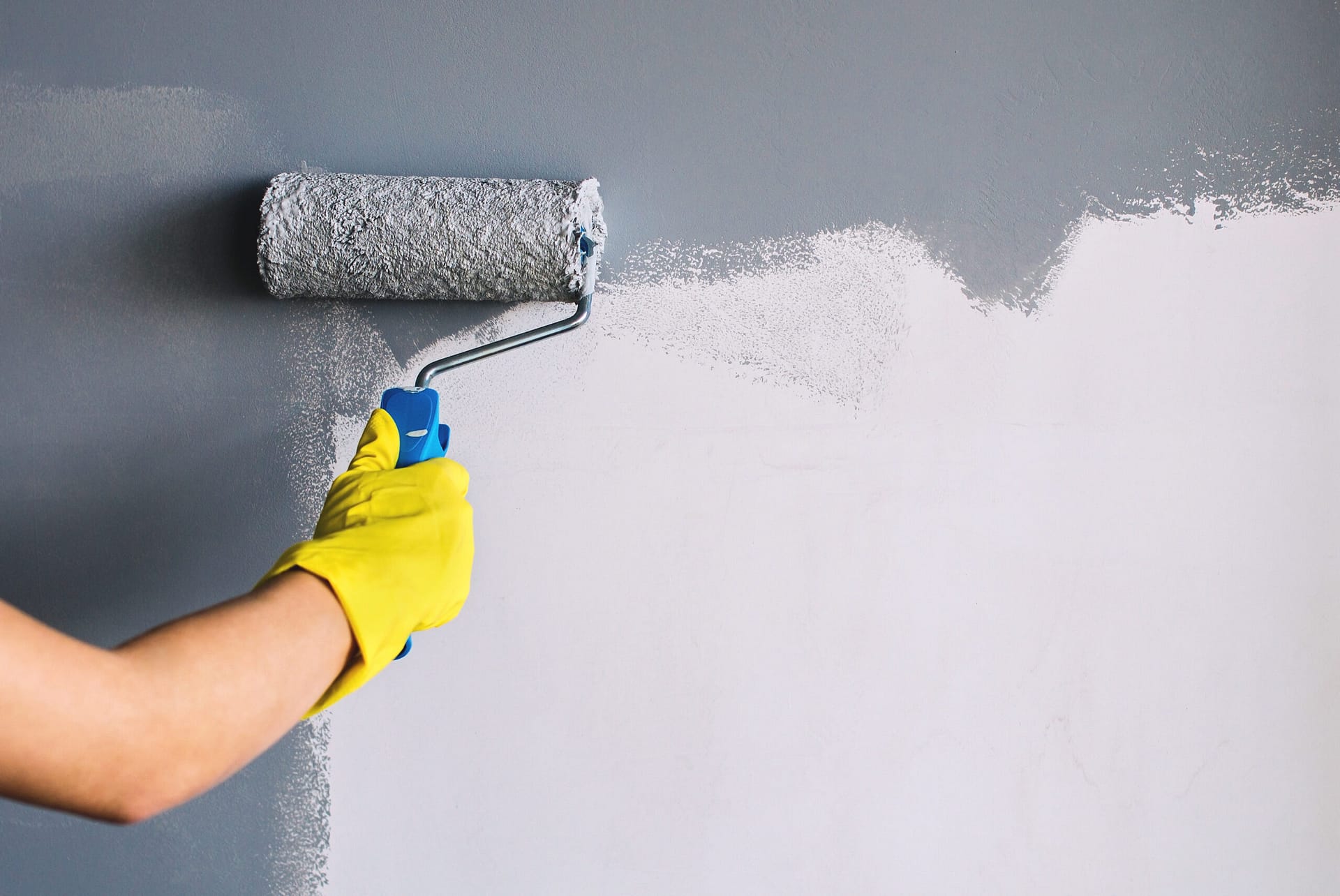
Effective painting techniques are essential for achieving a professional finish. When painting walls and ceilings in Wiltshire homes, start with the ceiling to prevent drips on freshly painted walls. Use a roller for broad surfaces and a brush for edges and finer details. Employing a ‘W’ or ‘M’ pattern while rolling helps distribute paint evenly and avoids streaking.
For higher ceilings, as often seen in period Wiltshire properties, using an extension pole with a roller can save time and reduce the need for ladders. Additionally, applying multiple thin coats rather than a single thick coat can improve the finish and ensure better adhesion and durability of the paint.
The advantage of using these techniques includes a more uniform application, reduced paint splatter, and a cleaner working environment. Moreover, systematic application helps in achieving longevity and a visually appealing finish that stands the test of time.
Tackling Tricky Areas and Corners
Painting tricky areas and corners requires precision and patience, especially in intricate Wiltshire interiors. Using painter’s tape to achieve clean lines around door frames, windows, and cornices is essential. For tight spaces, such as behind radiators or around fixtures, smaller brushes or a radiator roller are advantageous tools.
When dealing with corners, ensure that the brush is lightly loaded with paint to avoid drips and build-up. Feathering out the paint in these areas can also help blend into the larger surfaces seamlessly. This method reduces visible lines and provides a more professional finish.
The benefits of effectively tackling these areas include a more refined look, with attention to detail that can significantly elevate the overall quality of the painting project. Precision in these aspects ensures that even the most overlooked spaces contribute to the beauty and uniformity of the interior design.
Recommendations for Eco-Friendly Options
In today’s environmentally conscious world, opting for eco-friendly painting solutions is increasingly important. Wiltshire residents can choose from a variety of low-VOC and VOC-free paints, which not only help in reducing harmful emissions but also minimise health risks often associated with conventional paints.
Eco-friendly paints are derived from natural materials, providing excellent coverage and durability without compromising on quality. They are particularly suitable for households with children, pets, or allergy sufferers. Beyond their health and environmental benefits, these paints also offer a wide range of vibrant colours and finishes suited to any interior.
Choosing these greener options not only contributes to a healthier indoor environment but also supports global sustainability efforts. As awareness grows, more manufacturers are expanding their eco-friendly lines, making these products readily available for Wiltshire residents, thus ensuring that environmental responsibility can go hand in hand with aesthetic and functional needs.
Maintaining Your Newly Painted Interiors
Once your interior painting project is complete, maintaining the look and longevity of your walls is essential. Regular cleaning, gentle wiping of surfaces, and immediate attention to stains can preserve the pristine condition of the paint. In Wiltshire, where dust and moisture may be more prevalent due to rural surroundings, more frequent upkeep might be necessary.
Avoid harsh chemical cleaners which can strip paint and dull the finish. Instead, opt for mild soap and warm water for cleaning, and use microfiber cloths for dusting. Periodically checking for signs of wear or dampness can prevent larger issues from developing.
Maintaining your painted interiors not only keeps your home looking fresh but also extends the life of the paintwork, saving time and resources in the long run. Regular maintenance ensures that the aesthetic value and protective qualities of the paint are sustained over the years, offering both beauty and functionality.
Professional Painters in Wiltshire: Who to Hire
For those who prefer not to DIY, hiring a professional painter in Wiltshire can ensure high-quality results with minimal hassle. It’s important to choose a painter with a solid reputation and proven expertise, particularly someone familiar with local housing styles and materials.
Seek recommendations from friends or check online reviews to find reliable service providers. Accredited painters who offer guarantees on their work are typically a safer bet. Discuss your specific needs and expectations, such as timelines, budget, and types of paints used, to ensure clear communication and satisfactory results.
Hiring a professional not only saves time but also provides access to their expertise in materials and techniques that might not be readily available to the average homeowner. This can be particularly beneficial in a county like Wiltshire, where traditional and modern interiors often merge, requiring a nuanced approach to painting.