The Rich History of Interior Design in Bath
Steeped in history, the city of Bath has been a canvas for architectural perfection since the Roman era. The rich tapestry of architectural styles influenced by various periods has led to a unique aesthetic that continues to inspire modern designers. The Roman Baths, with their archaic but elegant interiors, serve as a testament to the city’s design-rich history.
As we journey through time, the influence of the Georgian era becomes evident in the city’s design landscape. The Palladian architecture, characterised by simplicity and symmetry, has become synonymous with the city. This influence can be seen in the Royal Crescent and The Circus, which are masterpieces of Georgian architecture. Their grandeur and elegance have played a significant role in shaping Bath’s interior design scene.
The Victorian era brought with it an eclectic blend of Gothic, Classical, and Italianate elements, which added to the city’s architectural diversity. The Holburne Museum, with its striking façade and intricate interior details, epitomises the Victorian influence. This eclectic mix of architectural styles has helped shape a rich and diverse interior design scene in Bath, making it a design lover’s paradise.
Exploring the Georgian-Inspired Interiors of Bath
The Georgian era, framed by the reigns of the first four Hanoverian kings of Britain, from 1714 to 1837, greatly influenced the architectural and design aesthetics of Bath. The city became a canvas for Georgian style architecture, characterised by elegance, symmetry, and grandeur, which continues to inspire modern interior designers.
Inside these buildings, the Georgian influence is equally evident. Quintessential Georgian interiors feature decorative plasterwork, fireplaces with ornate surrounds, and sash windows. High ceilings adorned with detailed cornices and ceiling roses, paired with large, elegantly proportioned rooms, are a hallmark of this style. The presence of these features exudes a timeless elegance and adds a touch of sophistication to the city’s interior landscape.
Moreover, Georgian interior design is known for its harmony and balance. The use of a calming colour palette comprising muted hues, the strategic placement of furniture, and the use of ornate mirrors to enhance the sense of space are common design elements. These design principles provide a sense of tranquillity and elegance to the city’s interiors, making them both welcoming and aesthetically pleasing.
Modern Elegance: Bath’s Contemporary Design Scene
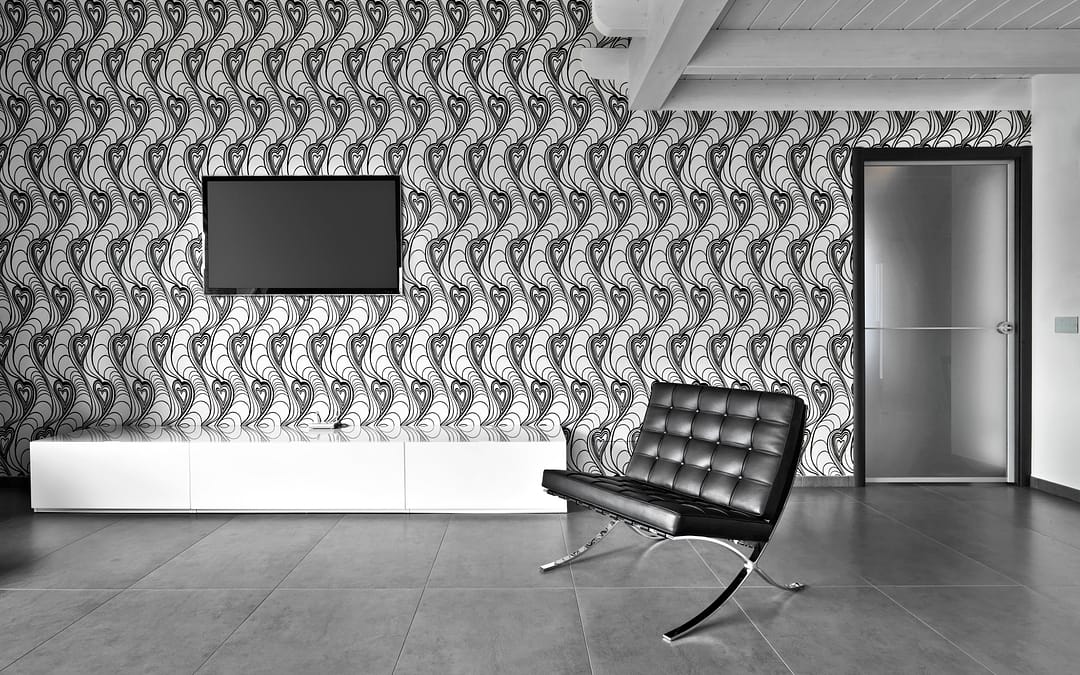
While Bath’s interior design scene draws heavily from its historical roots, it has not shied away from embracing modern design elements. Contemporary interiors in Bath are characterised by clean lines, neutral colour palettes, and minimalist décor. This combination gives the spaces a fresh and sophisticated look, perfect for modern living.
The city’s modern interior design scene also embraces open-plan living, with many homes featuring a seamless flow from one room to another. This design approach not only maximises space but also encourages a sense of unity and harmony within the home. Combined with the use of natural light and statement lighting fixtures, these spaces exude an understated elegance that is synonymous with Bath’s contemporary interiors.
Moreover, sustainable design has gained prominence in Bath’s modern interior landscape. Designers are increasingly incorporating eco-friendly materials and energy-efficient appliances into their designs. This commitment to sustainability not only enhances the aesthetics of the spaces but also contributes to environmental preservation, thereby adding another layer to the city’s rich design tapestry.
Unveiling the Opulence of Bath’s Luxury Hotels
The city of Bath boasts a range of luxury hotels that offer the perfect blend of comfort and style. These establishments are a testament to the city’s rich design heritage and continue to inspire contemporary interior designs. Their interiors offer a masterclass in luxury, with each detail meticulously planned to create an environment of sophistication and elegance.
The Gainsborough Bath Spa Hotel and The Royal Crescent Hotel & Spa are prime examples of Bath’s luxury hotel scene. Both hotels beautifully blend traditional design elements with modern conveniences to create spaces that are both stylish and comfortable. From the plush furnishings and bespoke artwork to the opulent lighting fixtures and intricate detailing, these hotels epitomise the city’s dedication to design excellence.
Moreover, these luxury hotels also offer unique design features that reflect the city’s rich history. From Roman-inspired spa facilities to Georgian-style drawing rooms, these establishments offer a visual journey through the city’s architectural timeline. Such features not only enhance the aesthetic appeal but also provide a unique experience for guests, underscoring the city’s commitment to preserving its design heritage.
Quintessential British Style: The Bath Perspective
Bath’s design scene encompasses quintessential British style elements, imbuing them with its unique perspective. This amalgamation of traditional British design principles and Bath’s unique design heritage has created an interior landscape that is both timeless and distinctive.
The city’s interiors feature classic British elements such as deep-buttoned upholstery, antique furniture, and heirloom accessories. These elements are often combined with Bath’s signature design features like decorative plasterwork and ornate fireplaces, to create spaces that exude a unique blend of tradition and understated elegance.
Furthermore, the traditional British love for countryside-inspired design is also evident in Bath’s interiors. The use of floral prints, soft furnishings, and muted colours creates a picture-perfect aesthetic that is inviting and cosy. This design approach embodies the city’s commitment to creating spaces that are not only visually appealing but also comfortable and inviting.
Signature Features of Bath’s Interior Landscape
Bath’s interior design scene is characterised by several signature features that have come to define the city’s aesthetic. Elegance, symmetry, and an affinity for historical details are a few such defining traits. Georgian architecture, with its grand facades and intricately designed interiors, is a key influencer in the city’s design landscape.
High ceilings, decorative plasterwork, and sash windows are a common sight in Bath’s interiors. The use of these elements, coupled with a muted colour palette and antique furnishings, gives the spaces a timeless elegance. This approach to design weaves a thread of continuity and harmony through the city’s interior landscape, making it both distinctive and cohesive.
In addition, the strategic placement of furniture, the use of mirrors to enhance space, and a commitment to balance are other key features of Bath’s interior design scene. These design principles, coupled with an appreciation for history and a keen eye for detail, have shaped a unique design aesthetic that beautifully marries tradition with contemporary elegance.
Innovative Designers Shaping Bath’s Interior Aesthetics
The city of Bath is home to a host of innovative interior designers who continue to shape its design aesthetic. These designers skillfully navigate the fine line between preserving the city’s rich design history and embracing modern design principles. Their work is a testament to the city’s commitment to design excellence and innovation.
Designers like Woodhouse & Law, Sims Hilditch, and Alison Henry have made significant contributions to the city’s design landscape. Their designs beautifully blend traditional and contemporary elements to create spaces that are sophisticated, functional, and aesthetically pleasing. Moreover, their commitment to sustainability and ecological responsibility adds another dimension to their design philosophy.
These designers, along with a host of others, continue to shape the city’s design aesthetic. Their innovative designs not only enhance the city’s interior landscape but also contribute to its rich design heritage. Their work underscores the city’s commitment to preserving its design history while looking forward to the future with optimism and creativity.
The Future of Interior Design in Bath: Trends to Watch
The city of Bath, with its rich design heritage and innovative design scene, is set to continue its journey of design excellence. As we look towards the future, several key trends are emerging that are set to shape the city’s interior design scene.
Sustainability is one such trend that is gaining momentum. Designers are increasingly incorporating eco-friendly materials and energy-efficient appliances into their designs. This commitment to sustainability not only enhances the aesthetics of the spaces but also contributes to environmental preservation.
Besides, the blending of traditional and modern design elements is another trend to watch. This approach to design creates spaces that are both timeless and contemporary, a balance that is at the heart of Bath’s design philosophy. As the city continues to evolve, it is likely that these trends, along with a commitment to design excellence and innovation, will shape the future of interior design in Bath.