Introduction: The Power of Interior Painting
Revitalising your bath spaces can be achieved with the transformative power of expert interior painting. A fresh coat of paint can instantly breathe life into your bathroom, altering the overall vibe of the room and setting the tone for a relaxing and serene retreat. A well-executed painting job not just enhances the aesthetic appeal but can effectively hide any wear and tear, giving the space a pristine and well-maintained look.
Interior painting allows you to flex your creativity, offering a myriad of options in terms of colour schemes, patterns, and finishes. With the right blend of colours and techniques, you can create a space that reflects your personality and complements the overall design aesthetic of your home. This is a cost-effective and impactful way to uplift the overall appeal of your bathroom.
The key to a successful bathroom makeover with paint lies in the hands of skilled interior painters. Their expertise and knowledge about colours and techniques can guide you in making the right choices. They pay attention to minutiae, ensuring a flawless execution that enhances the longevity of your paint job.
Choosing the Right Colours for Your Bathroom
The right colour can make your bathroom feel more spacious, cleaner, and more luxurious. Light colours like white, cream, or soft pastels can make a small bathroom appear larger and brighter. For larger bathrooms, you have the freedom to experiment with darker shades or contrasting colours, which add depth and character to the space.
Your choice of colour should equally harmonise with the overall theme of your home. Modern and minimalistic homes often favour neutral tones like shades of grey, beige, and white. On the other hand, traditional homes might thrive on warm, rich colours. Bold colours or feature walls can add a contemporary twist to any bathroom.
Paint with a semi-gloss or high-gloss finish are ideal for bathrooms as they repel moisture and are easy to clean. Matte finishes, although stylish, might not be suitable due to their inability to withstand moisture and frequent cleaning. However, the final choice always depends on your personal preference and the aesthetic you desire.
Understanding the Psychological Impact of Colours
Colour has a profound psychological impact on our mood and behaviour. Understanding this can help you create a bath space that promotes tranquillity and relaxation. For example, blues and greens evoke feelings of calmness and peace, making them ideal for a soothing bathroom environment. On the contrary, warm colours like red, orange, and yellow can stimulate and energise the senses.
Neutral tones, being non-distracting and soothing, encourage a sense of calm and relaxation. Their adaptability allows them to pair well with most other colours, offering a balanced and harmonious palette. On the other hand, black can create a dramatic and luxurious atmosphere when used wisely.
Understanding the colour psychology can guide you in creating a bathroom that not just looks good, but feels right. It is advisable to stick to one or two primary colours and use others as accents to create a coherent and appealing look.
Expert Techniques for Painting Bath Spaces
Interior painters deploy a variety of techniques to produce different visual and textural effects. Stippling, sponge painting, and rag-rolling can create a textured appearance, adding depth and complexity to your walls. These techniques, when paired with the right colour, can enhance the architectural features of the room.
Faux painting techniques such as marbling, wood graining, or trompe l’oeil can offer the illusion of different materials, adding a touch of luxury and opulence. Such techniques require a high level of expertise and precision; hence, employing a seasoned interior painter is crucial.
A professional painter would also ensure proper pre-painting preparation. This includes cleaning the walls, filling cracks, removing old paint, and applying primer. These steps are crucial in ensuring a smooth and durable finish.
Creating Optical Illusions with Paint
Paint, when used cleverly, can alter the perceived dimensions of your bathroom. Light colours can make a small bathroom look larger and brighter, whereas dark colours can create an intimate and cosy atmosphere in a large bathroom. Stripes or patterns can also play a role in visually heightening or widening a space.
Using different colours for walls and ceiling can add depth and interest. A lighter ceiling can create the illusion of a higher ceiling, while a darker floor can make the room seem grounded. Painting the fifth wall, that is, the ceiling, in a bright or bold colour, can add an unexpected pop of colour and drama.
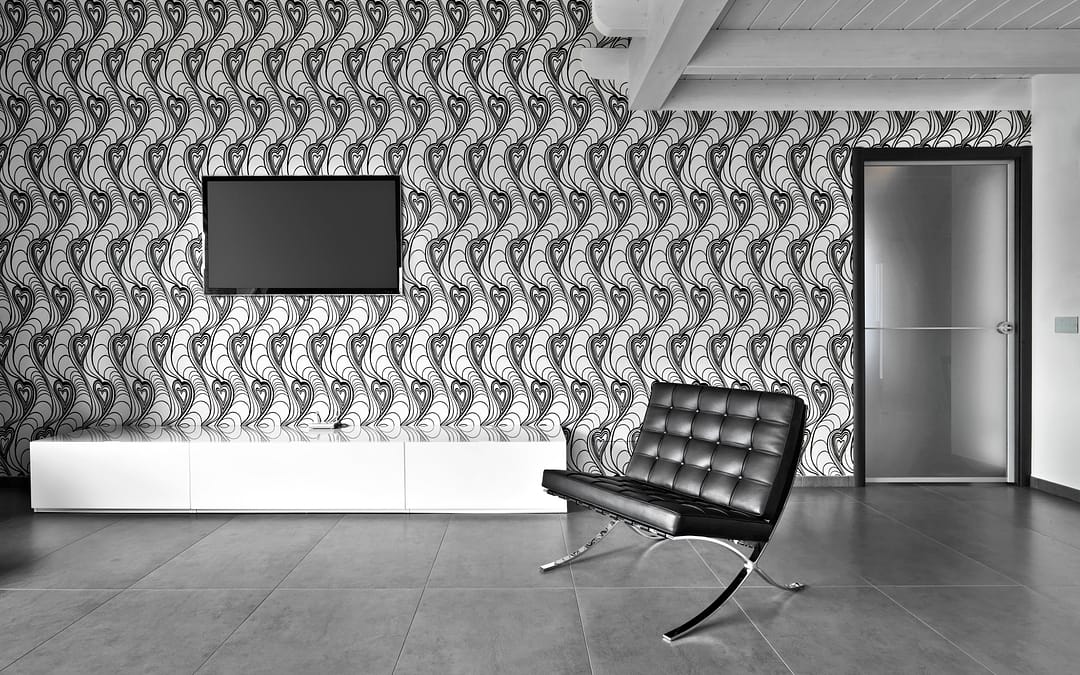
Accent walls or feature walls can create a focal point, diverting attention from less appealing aspects of the room. This technique could be employed by using a contrasting colour, pattern, or textured paint on one wall.
Incorporating Bathroom Fixtures into Your Colour Scheme
Your bathroom fixtures, including sinks, bathtubs, and cabinets, should complement your colour scheme. White or neutral fixtures can pair well with any colour, providing flexibility in your choice of wall colour. If you have coloured fixtures, ensure that your wall colour doesn’t clash with them. You could choose a complementary or analogous colour to create a cohesive look.
Metallic fixtures such as brass, copper, nickel, or chrome can add a touch of luxury and elegance. These fixtures can stand out or blend in depending on your choice of wall colour. For instance, a dark wall can make your gold fixtures pop, while a light wall can make them blend smoothly.
Remember, every element in your bathroom contributes to the overall aesthetic. Hence, consider all components, including the tiles, fixtures, and accessories, when deciding on your colour scheme.
Maintaining Your Newly Painted Bath Space
Maintaining your freshly painted bath space is crucial to keep it looking pristine and to increase the longevity of the paint. Regular cleaning can prevent the buildup of moisture and mildew. Using gentle cleaning solutions and a soft cloth can keep your walls looking as good as new.
Ensuring proper ventilation can prevent peeling and blistering of paint caused by excessive moisture. Installing an exhaust fan or opening a window post-shower can effectively manage the moisture level.
Despite regular maintenance, your bathroom may require a fresh coat of paint every few years. This not only keeps it looking fresh but also gives you a chance to update your colour scheme and bring in new energy.
Conclusion: Transforming Your Bath Space with Paint
Interior painting offers a cost-effective and impactful solution to revitalising your bath spaces. The right choice of colour, complemented by expert painting techniques, can alter the vibe and aesthetic appeal of your bathroom. This enables you to create a tailored space that resonates with your personality and meets your functional requirements.
The process of painting goes beyond just applying a coat of paint. From understanding the psychological impact of colours to using paint to create optical illusions, every step contributes to the final outcome. Incorporating fixtures into your colour scheme and maintaining your newly painted bath space are equally important steps in your bathroom makeover.
Undertaking a painting project can be an exciting venture. With the guidance and services of a skilled interior painter, you can transform your bath space into a haven of relaxation and tranquillity.