Exploring the Need for Exterior Revitalisation
In Wiltshire, where the architecture ranges from quaint thatched cottages to stately Georgian homes, the exterior condition of a property significantly influences both its aesthetic appeal and structural integrity. Over time, weather elements, pollution, and biological factors like algae or fungi can tarnish the external appearance of homes. Revitalising the exterior paint not only refreshes the property’s look but also serves as a protective barrier, shielding the building materials from the adverse effects of moisture and UV radiation.
Moreover, a well-maintained exterior can substantially enhance property value. In the competitive housing market of Wiltshire, where visual appeal can dictate marketability, maintaining an attractive facade is crucial. An updated exterior can make a property stand out in property listings, attracting potential buyers or renters and possibly speeding up the transaction process.
Lastly, revitalising a home’s exterior can also contribute to the community’s aesthetic uniformity and pride. Neighbourhoods, where homes are regularly maintained, instil a sense of community pride and encourage further upkeep, reinforcing positive communal ties and enhancing the overall quality of life for its residents.
Choosing the Right Colours for Wiltshire Homes
Selecting the appropriate colour for a Wiltshire home requires consideration of its historical context and natural surroundings. Traditional colours like soft whites, creams, and pastel shades often complement the natural stone and brickwork commonly found in many Wiltshire properties. These colours not only blend harmoniously with the rural landscapes but also reflect the region’s historical palette, staying true to its rich heritage.
For more modern properties, bolder contrasts or contemporary hues such as greys or muted blues may be more appropriate. These colours can accentuate architectural features and offer a modern twist without detracting from the overall traditional feel of the area. It’s important, though, to consult with local planning authorities, particularly in conservation areas, to ensure the chosen colours are permissible.
Beneficially, the right choice of colours can also affect the psychological well-being of the inhabitants. Colours that harmonise with the environment create a serene setting, thereby enhancing the living experience. Additionally, lighter colours can reflect more sunlight, potentially reducing the cost of cooling homes during warmer months.
The Importance of Professional Paint Selection
Choosing the right type of exterior paint is as crucial as the colour selection. Professional-grade paints designed for exterior use offer enhanced durability and weather resistance, which are essential in the UK’s variable climate. High-quality paints resist fading, chalking, and cracking, thereby extending the maintenance cycles and reducing long-term costs.
Moreover, professional paint formulations often include additives that combat mould and mildew growth—a common issue in Wiltshire due to its damp climate. These specialised paints help maintain the structural integrity of the walls while keeping them aesthetically pleasing for longer periods.
Utilising expert advice when selecting paints can also ensure compatibility with the building materials of Wiltshire homes, such as limestone, sarsen stone, or brick. This consideration prevents potential chemical reactions that can cause damage over time, ensuring that the beauty and strength of the home’s exterior are maintained.
Step-by-Step Guide to Exterior Painting
The process of exterior painting, when done correctly, can protect and beautify a home for years. The first step involves thorough cleaning of the home’s facade to remove dirt, grime, and biological growths. This can be achieved through power washing, which prepares the surface for painting, ensuring that the new paint adheres properly and lasts longer.
The next step is to repair any structural damage such as cracks, chips, or wood rot, particularly around windows and door frames. This preparation is critical for preventing future damage under the new layer of paint. Once repairs are made, priming the surfaces ensures that the topcoat will not only stick better but also achieve a more uniform finish.
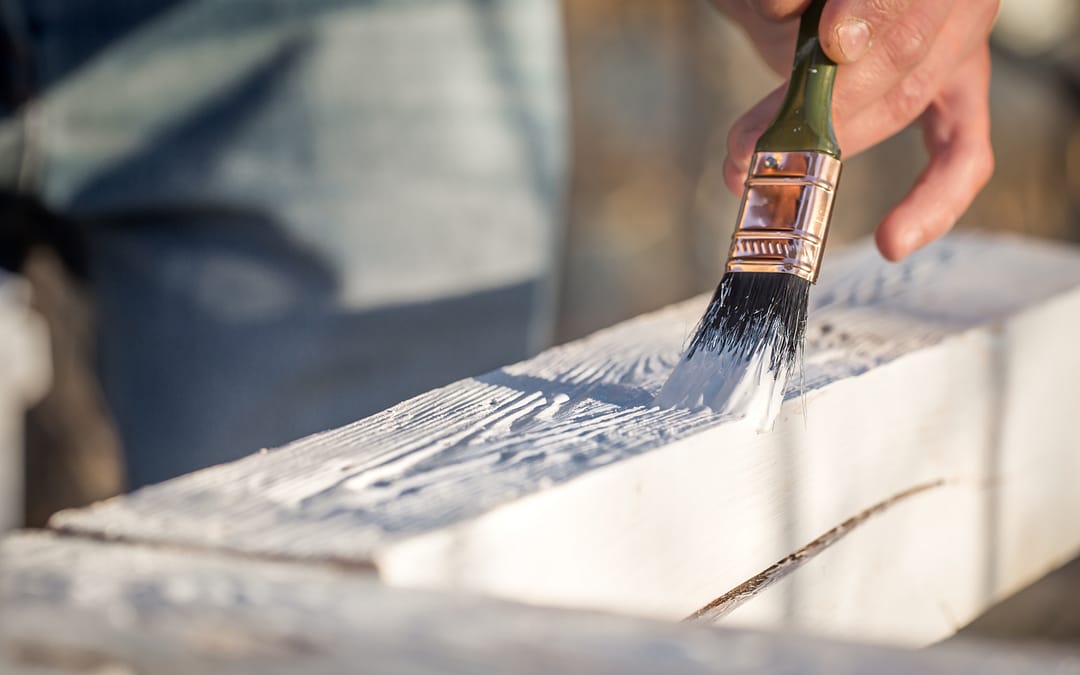
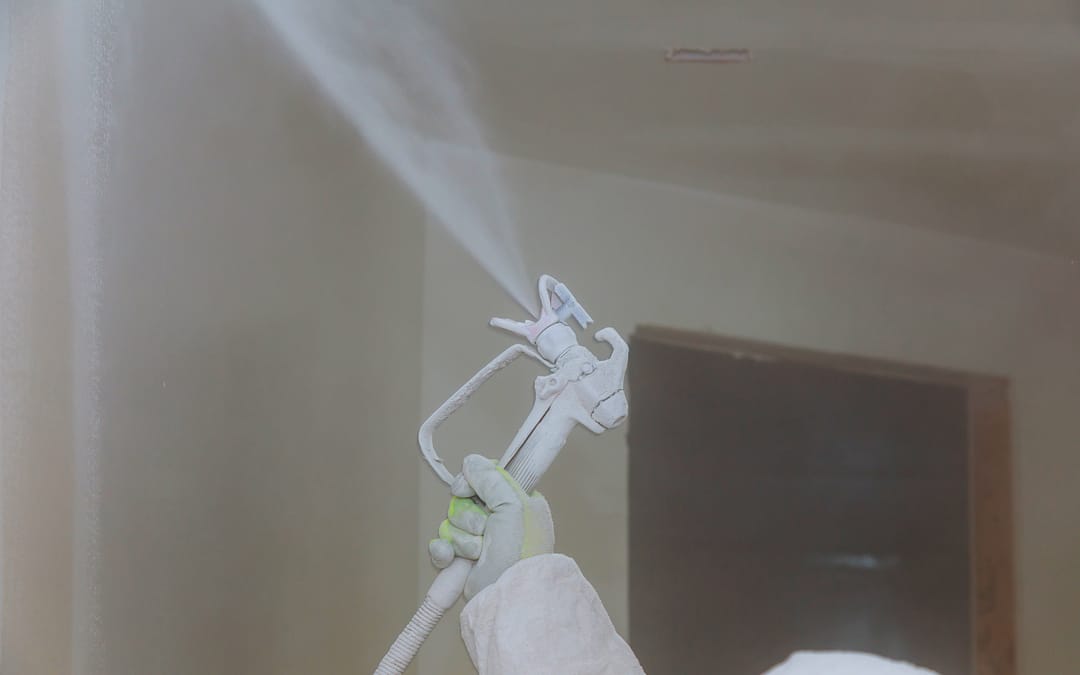
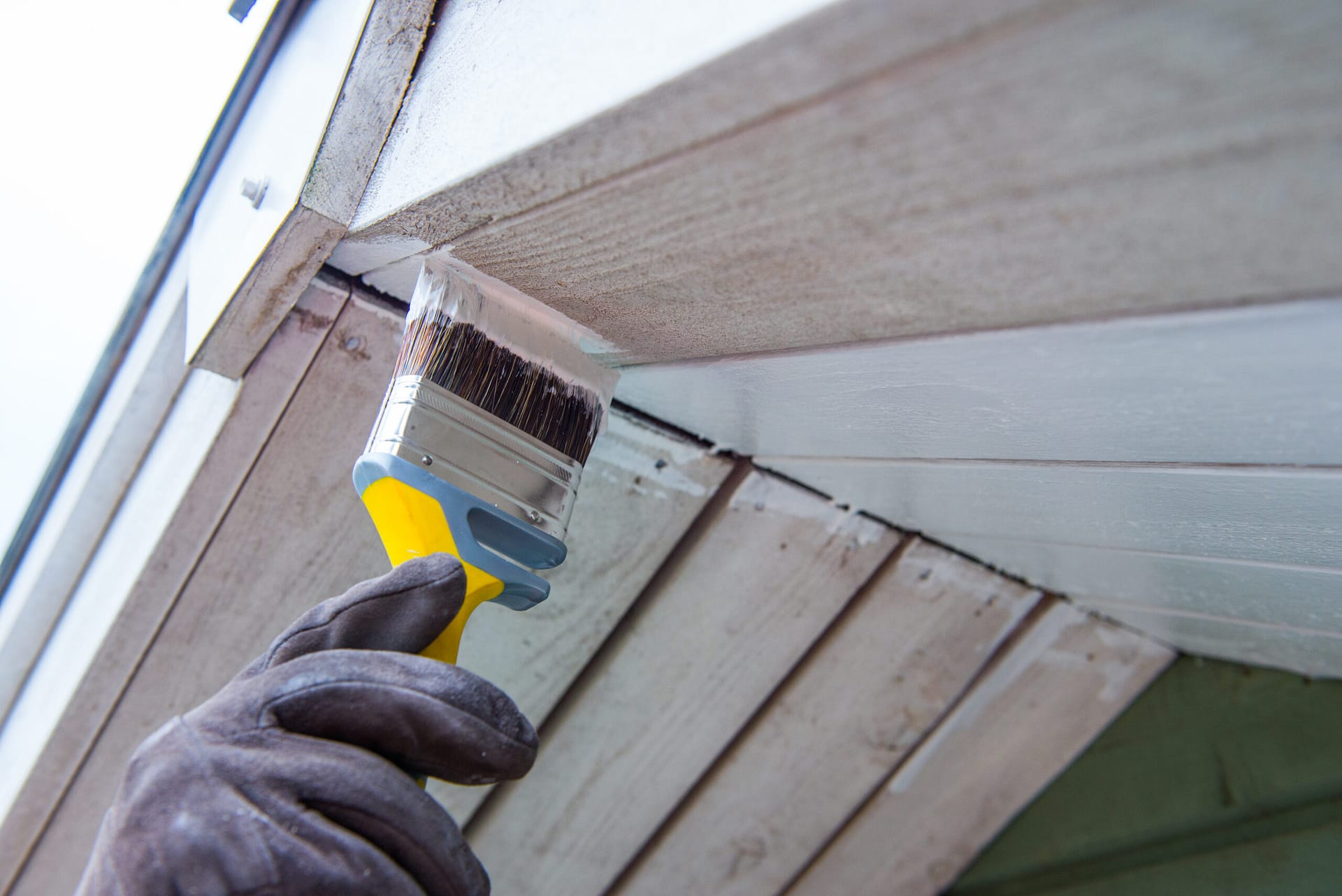
Finally, applying the topcoat should be done using techniques that match the type of paint and the building material. Utilising the correct brushes, rollers, or sprayers, and applying the correct number of coats, will provide maximum protection and aesthetic appeal. This meticulous approach ensures that the paint job stands the test of time, weathering Wiltshire’s climate gracefully.
Addressing Common Exterior Paint Challenges
In Wiltshire, exterior painting can often be challenged by the region’s weather conditions. Moisture can seep beneath paint layers, causing peeling and blistering. To mitigate this, choosing water-resistant paint and ensuring that the surface is completely dry before application is crucial. For areas prone to high moisture, such as near gutters or downpipes, using additional protective layers can provide longer-lasting results.
UV radiation is another concern that can cause colours to fade prematurely. Employing paints with UV blockers can preserve the vibrancy of the facade’s colour. These specialised paints help maintain the aesthetic appeal of the home’s exterior even with prolonged exposure to direct sunlight.
Biological growths such as algae and mould are common in shaded areas of a home’s exterior. Paints with anti-fungal and anti-algal properties not only prevent the appearance of unsightly stains but also protect the structural integrity of the painted surfaces. Regular maintenance checks and timely touch-ups can further ensure these issues are kept at bay.
Seasonal Considerations in Exterior Painting
The timing of exterior painting projects in Wiltshire should ideally align with the region’s drier months to ensure optimal drying conditions and paint adhesion. Spring and early summer typically offer such weather, with reduced rain and moderate temperatures conducive to outdoor painting. However, it’s crucial to monitor daily weather forecasts closely to avoid unexpected rain that can wash away fresh paint.
Temperature fluctuations between day and night can also affect paint drying and curing times. Paints applied during temperatures that are too high or too low may not bind correctly to the surface, leading to long-term durability issues. Ensuring that painting is done during stable temperatures will help achieve a smoother, more durable finish.
Moreover, considering the position of the sun throughout the day can aid in planning the painting schedule. Painting in direct sunlight can cause the paint to dry too quickly, potentially leading to imperfections in the finish. Organising the work so that surfaces are painted while in the shade can result in a more even application and finish.
Maintaining Your Home’s Facade Post-Painting
After the revitalising paint job, maintaining the facade’s new appearance involves regular cleaning and inspections. Gentle cleaning with soapy water and a soft brush can remove dirt and pollutants without damaging the paint. This not only keeps the property looking fresh but also extends the life of the paintwork.
Annual inspections can help catch and address any early signs of wear or damage such as cracking or peeling. Early detection and rectification prevent minor issues from escalating into major repairs, thus saving on future costs. Areas around joints, seals, and guttering should be given special attention during these inspections.
Additionally, trimming back foliage and ensuring that trees and shrubs do not contact the painted surfaces can prevent moisture retention and physical damage to the paint. This proactive approach to maintenance helps preserve the structural and aesthetic integrity of the home’s exterior, ensuring that it remains a source of pride and value.
Case Studies: Successful Wiltshire Transformations
One notable example of a successful exterior revitalisation project in Wiltshire involved a 17th-century farmhouse near Salisbury. The owners opted for a historically accurate sage green, which not only enhanced the property’s character but also provided a modern level of protection with specially formulated weather-resistant paint. The project not only increased the property’s market value but also its appeal in historical tours in the area.
Another transformation took place in a mid-century terraced house in Swindon where the use of a high-quality, fade-resistant blue significantly uplifted the home’s street presence. Post-revitalisation, the property reported a quicker sale at a higher-than-average price point for the area. This case particularly highlighted the importance of choosing the right colour and quality of paint in influencing real estate value and appeal.
Lastly, a conservation-area cottage in Marlborough was carefully updated using colour tones approved by the local authority, ensuring compliance with heritage regulations while providing the necessary protection from elements. The project not only preserved the historical integrity of the property but also enhanced its charm, making it a standout example of sensitive yet practical exterior care in historic settings.