Door stripping is an art that brings out the authentic beauty of wooden doors, transforming them from dated and layered with paint to stunning pieces that showcase the original craftsmanship. In Wiltshire, where historic and period homes abound, expert door stripping services are essential in preserving the character and charm of properties. By removing years of paint and varnish, professionals reveal the inherent beauty of the wood, enhancing the aesthetic appeal of your home and increasing its market value.
The process of door stripping can also uncover hidden treasures, such as intricate woodwork and unique grain patterns that were previously covered under layers of paint. This not only restores the door’s original splendour but also provides a unique talking point for visitors. The restored doors can complement the architectural style of your home, creating a cohesive and attractive look.
Moreover, expert door stripping is a sustainable way to revitalise your home. Instead of replacing old doors with new ones, stripping back to the original wood reduces waste and promotes recycling. This approach aligns with environmentally friendly practices by preserving resources and reducing landfill waste, making it an appealing choice for eco-conscious homeowners.
Unlocking the Beauty of Wood in Wiltshire
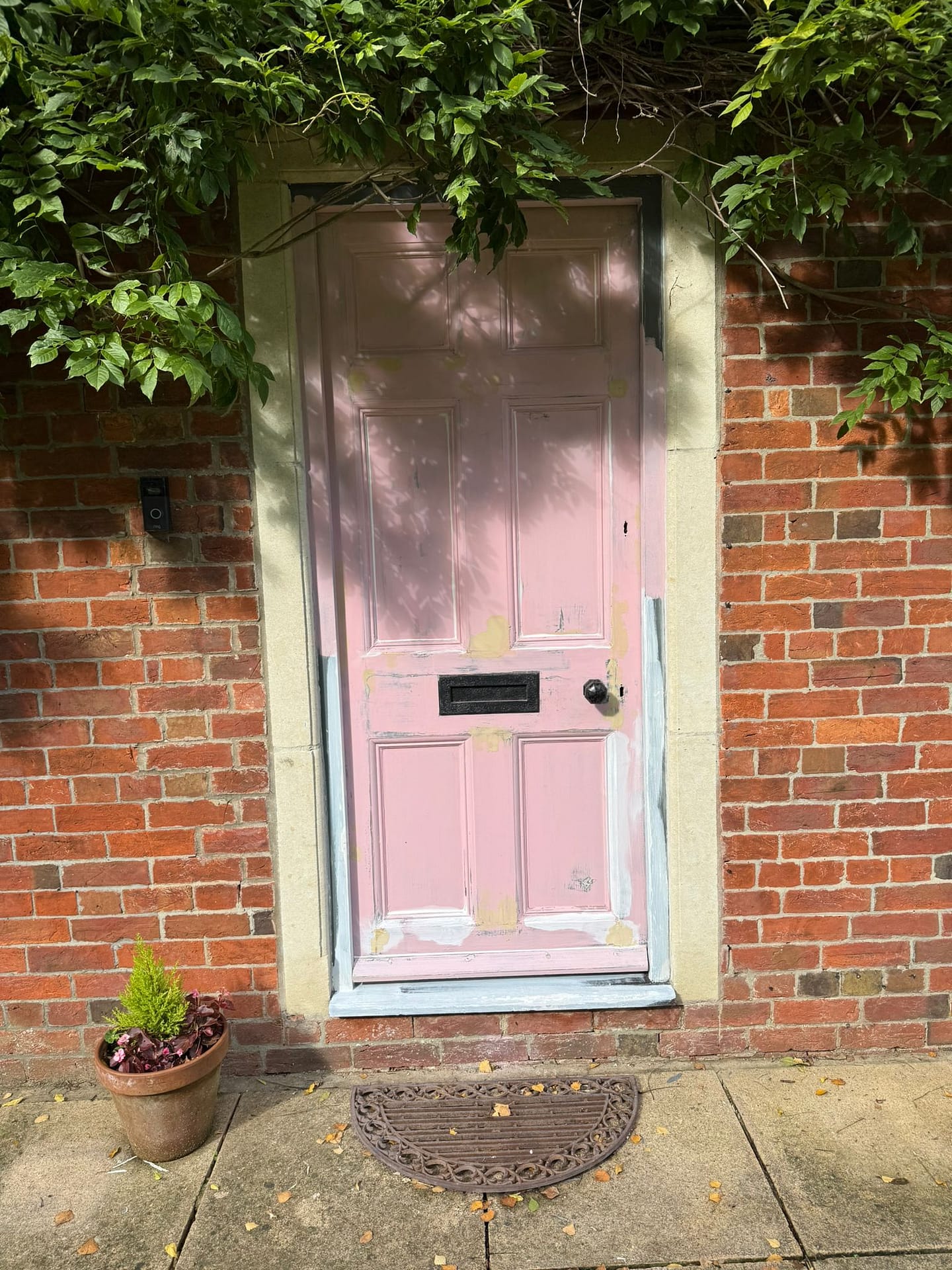
Wiltshire, with its rich history and abundance of period properties, offers a unique backdrop for the revival of wooden doors through expert stripping techniques. The county’s traditional homes, from quaint cottages to stately manors, often feature doors that have been painted over multiple times across the decades. Stripping these doors back to their original wood not only restores their beauty but also honours the historical integrity of these properties.
The wood used in older doors typically includes high-quality timber such as oak, pine, or mahogany, which are known for their durability and attractive grain. Door stripping professionals in Wiltshire are skilled in handling these materials, ensuring that the wood is not damaged during the stripping process. They use techniques that are tailored to preserve and enhance the wood’s natural qualities, bringing out its colour and texture.
For homeowners in Wiltshire, choosing to strip and restore their wooden doors is also a practical investment. Restored doors can significantly improve the overall look of a home, boosting curb appeal and potentially increasing the property’s value. Furthermore, the process can help uncover and address any hidden issues, such as rot or insect damage, ensuring the longevity of the doors.
The Step-by-Step Guide to Door Stripping
Professional door stripping involves a detailed and careful process to ensure that the wood is preserved and restored to its original condition. The first step typically involves the removal of the door from its frame, which is essential for thorough and safe stripping. This is followed by an assessment of the type and amount of paint or varnish to be removed, which determines the most appropriate stripping method to use.
The next phase involves the application of a chemical stripper designed to break down the old layers of paint without damaging the wood underneath. This is usually left on the door for a specified period before the softened paint is gently scraped away. Specialists often use tools like putty knives or paint scrapers, taking care not to gouge or scratch the wood surface.
Once the bulk of the paint is removed, the door may undergo a sanding process to smooth out the surface and remove any residual paint or stripper. This step is crucial for preparing the wood for finishing, whether it be staining, varnishing, or leaving it in its natural state. The door is then rehung, transforming the space with its renewed character and charm.
Top Techniques Used in Door Stripping
Door stripping techniques vary depending on the type of wood and the layers of paint or varnish to be removed. One of the most common methods used by professionals in Wiltshire is solvent stripping, which involves applying a chemical solvent that dissolves the paint, making it easy to scrape off. This method is particularly effective for doors with multiple layers of old paint.
Another popular technique is thermal stripping, which uses heat to soften the paint for easier removal. This method can be quicker than solvent stripping but requires careful control to avoid scorching the wood. Some professionals also use dipping, where the entire door is immersed in a stripping solution, though this is generally less common for antique or intricately carved doors due to the risk of wood warping.
In recent years, more environmentally friendly and less abrasive techniques have gained popularity. These include using water-based strippers and low-temperature heat guns, which minimize the release of volatile organic compounds (VOCs) and preserve the integrity of the wood. Choosing a professional who is adept in these modern techniques can ensure a safer, more sustainable restoration process.
How to Prepare Your Home for Stripping Services
Preparing your home for door stripping services is essential to ensure the process goes smoothly and that your property is protected. Start by clearing the area around the door, removing any furniture, rugs, and décor to prevent accidental damage or contamination from stripping agents. If the door cannot be easily removed and needs to be stripped in place, make sure to cover the floors and adjacent walls with plastic sheeting to catch drips of stripper and paint debris.
It’s also important to consider ventilation. Chemical strippers can release fumes that are harmful if inhaled in enclosed spaces. Ensure that your home is well-ventilated, with windows open and fans operating if necessary. Informing your household of the work schedule can also help avoid any disruptions and ensure that pets and children are kept away from the work area.
Lastly, discuss with the stripping professionals about any specific requirements they might have. They may need access to water or power outlets, or they might have specific instructions on room preparation. Cooperation between the homeowner and the professionals is key to a successful and efficient stripping process.
The Benefits of Restoring Your Old Doors
Restoring old doors through professional stripping offers numerous benefits. Aesthetically, it brings a sense of authenticity and elegance to your home, highlighting the craftsmanship of historical woodwork. This can be particularly appealing in older properties, where modern replacements might detract from the architectural integrity.
Functionally, restoration can also improve the durability and functionality of doors. Stripping off old paint and varnish can reveal and allow for the repair of hidden damage such as cracks, rot, or warping, extending the life of the door. Moreover, a properly restored and treated door can offer better insulation, contributing to energy efficiency in your home.
Economically, investing in door stripping can enhance the overall value of your property. Restored doors are an attractive feature to potential buyers, should you wish to sell your home in the future. They also offer a cost-effective alternative to complete replacements, particularly with antique or custom-sized doors where replacements could be exceedingly expensive.
Maintaining Your Doors After Professional Stripping
After your doors have been professionally stripped and restored, proper maintenance is crucial to preserve their condition and appearance. Regular dusting and cleaning with a soft, damp cloth can prevent dirt build-up that can degrade the wood over time. Avoid using harsh chemical cleaners which can strip away finishes and damage the wood.
Periodically, it might be necessary to reapply a finish to protect the wood from moisture and wear. Choose a finish that complements the type of wood and the overall style of your home. For instance, a matte finish might suit a rustic cottage, while a glossy varnish could enhance the grain in a more formal setting.
Finally, monitor the environment around your doors. Excessive humidity can cause wood to expand and contract, potentially leading to warping or sticking. Using dehumidifiers in damp weather and ensuring good ventilation can mitigate these issues, keeping your beautifully restored doors in prime condition for years to come.