
Anti-vandal coatings are specialised finishes applied to surfaces to prevent damage from graffiti, scratching, and other forms of vandalism. In regions like Wiltshire, where preserving historical and cultural heritage is crucial, these coatings provide an essential defence against such destructive activities. Typically, these coatings are clear, allowing them to protect without altering the appearance of the underlying material, whether it’s stone, metal, or wood.
The technology behind anti-vandal coatings has evolved significantly over the years, incorporating advanced chemical properties that not only resist paints and markers but also make it easier to clean affected areas. By forming a barrier that is both tough and flexible, these coatings can withstand harsh environmental conditions, making them ideal for outdoor use in public spaces, transportation hubs, and historical sites.
The effectiveness of anti-vandal coatings is not merely limited to their protective capabilities but also extends to their role in deterring potential vandals. The presence of such coatings can act as a visual deterrent, as regular offenders recognize the difficulty in marking such surfaces and the ease with which any graffiti can be removed. This dual functionality underscores the importance of anti-vandal coatings in urban and rural settings alike.
History of Vandalism Protection in Wiltshire
Wiltshire, with its rich history and numerous heritage sites, has had a long-standing relationship with vandalism protection. Over the decades, the approach to protecting these valuable sites from vandalism has shifted from physical barriers and surveillance to more sophisticated chemical solutions like anti-vandal coatings. The evolution of these methods reflects a broader understanding of the need to maintain the aesthetic integrity and historical accuracy of the region’s landmarks.
Historically, the introduction of anti-vandal technologies in Wiltshire was primarily focused on high-risk areas such as Salisbury Cathedral and various ancient monuments, where graffiti and other forms of damage posed a significant risk to their preservation. The adoption of these technologies was driven by collaborations between local councils, conservation specialists, and technology providers, aiming to find solutions that offer effective protection without compromising the site’s appearance.
The move towards using anti-vandal coatings gained significant traction in the late 20th century, as the materials became more refined and the local communities grew increasingly aware of the need to protect public and private properties. This shift not only helped preserve the historical sites but also contributed to reducing maintenance costs and enhancing the longevity of the buildings within Wiltshire’s urban landscapes.
Key Benefits of Anti-Vandal Coatings
The primary benefit of anti-vandal coatings is their ability to protect surfaces from graffiti, one of the most common forms of vandalism. The coatings work either by repelling paint, making it easy to wash away graffiti without the use of harsh chemicals, or by preventing the paint from adhering to the surface in the first place. This protection extends the lifespan of the surface and reduces the need for frequent repainting or repairs.
Another significant advantage is the cost-effectiveness of these coatings. While the initial application might seem costly, the long-term savings in terms of reduced cleaning and maintenance are substantial. Additionally, these coatings are designed to be durable and withstand the effects of UV light and weather, which is particularly beneficial for outdoor applications in a region like Wiltshire where weather can vary drastically.
Lastly, anti-vandal coatings contribute positively to the environment. By reducing the need for frequent cleaning and the use of toxic chemical cleaners, these coatings help lower the environmental impact associated with removing graffiti. This aspect is particularly appealing to modern consumers and business owners who are increasingly looking for eco-friendly solutions.
Types of Coatings: A Detailed Overview
Anti-vandal coatings can be broadly categorized into two types: sacrificial and non-sacrificial coatings. Sacrificial coatings form a clear layer that can be removed and reapplied after being vandalised. This type is cost-effective and suitable for areas where graffiti is frequent. Non-sacrificial coatings, on the other hand, create a more permanent barrier that does not need to be replaced after each cleaning, suitable for high-value or sensitive surfaces.
Within these broad categories, there are various formulations tailored to specific needs and surfaces. For instance, nano-coatings are a type of non-sacrificial coating that uses nanotechnology to create an ultra-thin, yet extremely strong, protective layer. These coatings are particularly effective on porous surfaces like stone and concrete, which are prevalent in Wiltshire’s historical architecture.
Another innovative type is hybrid coatings, which combine the properties of both sacrificial and non-sacrificial coatings. These are particularly versatile and can be tailored to offer varying degrees of protection and ease of cleaning, depending on the expected level of vandalism and the type of surface being protected.
Application Techniques for Optimal Results
The effectiveness of anti-vandal coatings largely depends on their correct application. The surface must be clean, dry, and free of any contaminants before the coating is applied. For sacrificial coatings, a single layer is often sufficient, while non-sacrificial coatings might require multiple layers to ensure a robust barrier.
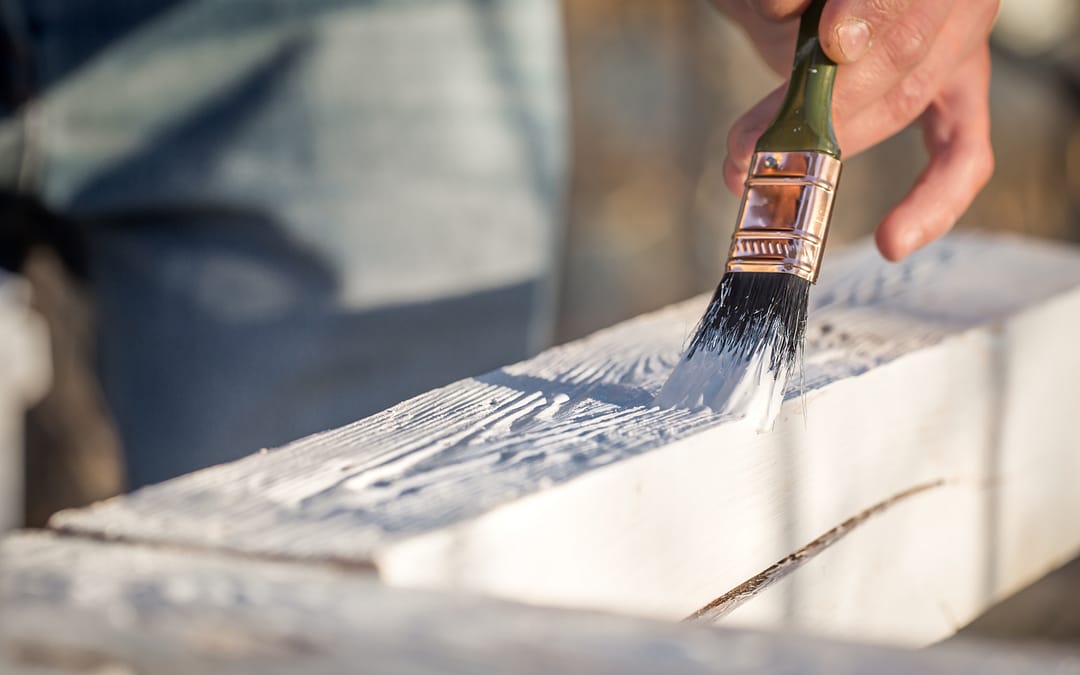
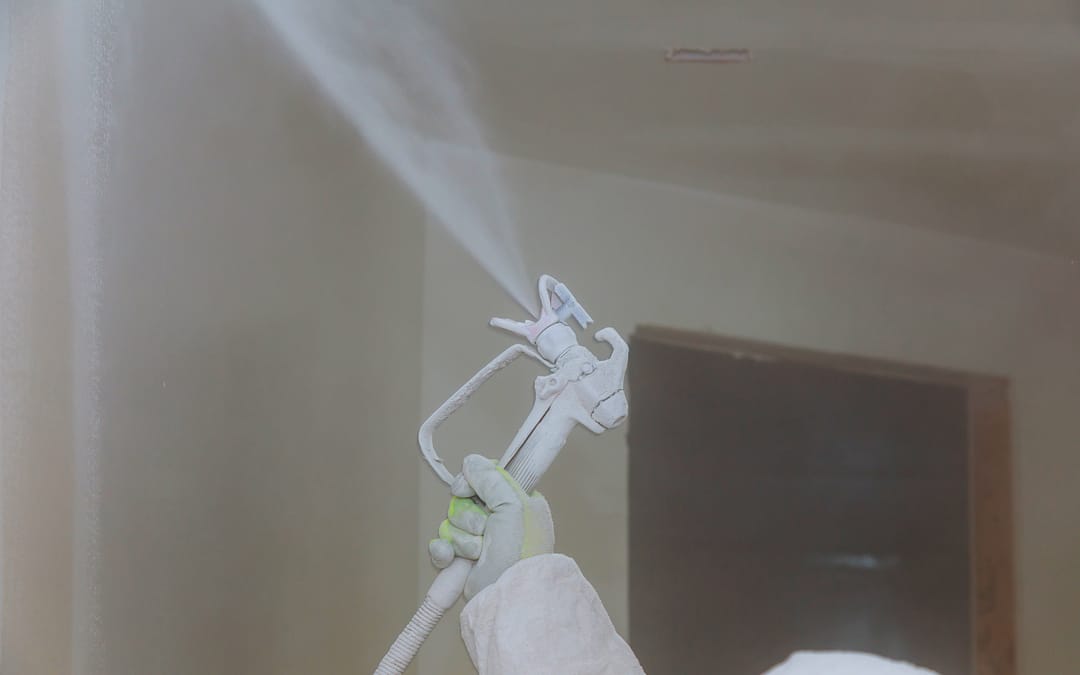
Application techniques vary based on the type of coating and the surface. Spray application is common for large, accessible areas, providing quick and even coverage. For detailed or intricate surfaces, brush or roller applications might be more appropriate to ensure that no spots are missed. In some cases, professional application by certified technicians is recommended to guarantee the best outcome.
Moreover, environmental conditions during application, such as temperature and humidity, must be carefully controlled. Adherence to these parameters ensures the coating adheres properly to the surface and achieves its maximum protective potential. Incorrect application can lead to failures in protection, necessitating costly reapplications and potentially leaving the surface vulnerable to damage.
Maintenance and Longevity of Coatings
While anti-vandal coatings are designed for durability, regular maintenance is essential to ensure they continue to perform optimally. For sacrificial coatings, this might mean reapplication after a significant cleaning event, whereas non-sacrificial coatings generally require periodic inspections to check for wear and tear or degradation from environmental factors.
The longevity of these coatings can vary from a few years to a decade, depending on environmental conditions, the type of coating, and the frequency of vandalism. In Wiltshire, with its variable climate, coatings used on outdoor surfaces may degrade faster and thus require more frequent maintenance checks and potential reapplications to maintain efficacy.
Regular maintenance not only extends the life of the anti-vandal coating but also ensures that surfaces remain easy to clean and protect. This proactive approach to maintenance saves significant time and resources in the long run, reducing the overall lifecycle costs associated with protecting properties from vandalism.
Choosing the Right Coating for Your Needs
Choosing the right anti-vandal coating requires considering several factors, including the type of surface to be protected, the location, the level of vandalism expected, and budget constraints. For historical sites in Wiltshire, a non-sacrificial, environmentally friendly coating might be the best option, given the importance of preserving the original attributes of the sites.
It is also advisable to consult with professionals who can assess the specific needs and recommend the most suitable type of coating. These specialists can provide insights into the latest advancements in coating technology and offer tailored solutions that balance protection with aesthetics.
Ultimately, the choice of coating should align with both the protective needs and the environmental considerations of the area. In Wiltshire, where both heritage conservation and modern urban needs must be balanced, the right anti-vandal coating can make a significant difference in protecting valuable assets from the persistent issue of vandalism.